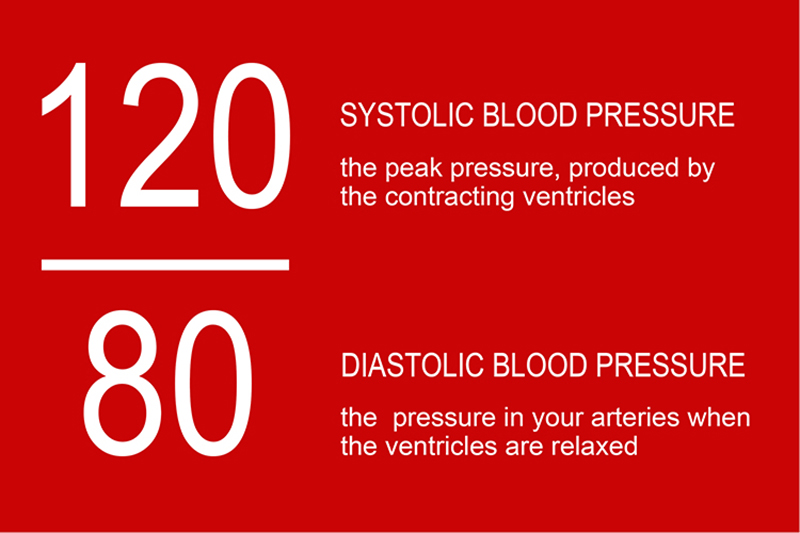
Blood pressure, typically measured as systolic (the top number) over diastolic (the bottom number), is a crucial indicator of cardiovascular health. A healthy blood pressure reading is usually around 120/80 mm Hg, where 120 represents the systolic pressure, or the pressure in the arteries when the heart beats, and 80 represents the diastolic pressure, or the pressure when the heart is at rest between beats. When blood pressure readings drop significantly below this normal range, it is termed low blood pressure or hypotension. Typically, a systolic reading of 90 mm Hg or less, or a diastolic reading of 60 mm Hg or less, is classified as hypotension. However, some medical conditions can cause even more extreme drops in diastolic blood pressure, and understanding why this happens is important for diagnosis and treatment.
Two main factors can lead to extremely low diastolic blood pressure: severe hypotension and stiff arteries. Both of these can have profound impacts on cardiovascular health, and they are often linked to underlying medical conditions such as aging, diabetes, atherosclerosis, and other factors. This article will explore how severe hypertension or stiff arteries might lead to extremely low diastolic blood pressure, the mechanisms behind it, and the potential risks associated with these conditions.
Severe Hypotension and Extremely Low Diastolic Blood Pressure
Severe hypotension is one of the primary causes of extremely low diastolic blood pressure. Hypotension is typically defined as a blood pressure reading lower than 90/60 mm Hg. When blood pressure falls to such low levels, it means the body’s organs may not be receiving enough blood or oxygen, which can lead to serious symptoms like dizziness, fainting, blurred vision, fatigue, and confusion. In extreme cases, prolonged low blood pressure can cause organ damage, including to the kidneys, heart, and brain.
Several medical conditions and situations can contribute to severe hypotension, leading to a significant drop in diastolic blood pressure:
1. Dehydration: When the body loses more water than it takes in, such as through excessive sweating, vomiting, or diarrhea, it can cause weakness, dizziness, and fatigue. Dehydration reduces the amount of blood circulating in the body, leading to low blood pressure.
2. Blood Loss: Significant blood loss from trauma, surgery, or internal bleeding can cause a reduction in the overall volume of blood in the body. This loss reduces the heart’s ability to pump enough blood, leading to hypotension and a drop in both systolic and diastolic blood pressure.
3. Severe Infection (Sepsis): Sepsis is a widespread infection that affects the entire body. The infection causes the release of chemicals that can dilate blood vessels and disrupt the normal blood flow, leading to a drop in blood pressure and low diastolic values.
4. Severe Allergic Reaction (Anaphylaxis): A severe allergic reaction can trigger anaphylaxis, which causes the blood vessels to dilate rapidly and the blood pressure to drop dangerously low. This can result in extremely low diastolic blood pressure along with symptoms like swelling, difficulty breathing, and loss of consciousness.
5. Medications: Certain medications, particularly those that treat high blood pressure (antihypertensive drugs), diuretics (which remove excess water from the body), and beta-blockers, can lower blood pressure. In some cases, these medications can cause excessively low blood pressure, particularly if dosages are not adjusted correctly.
6. Heart Problems: Conditions such as extremely low heart rate (bradycardia), heart attack, heart failure, or problems with the heart valves can interfere with the heart’s ability to pump blood effectively, leading to low blood pressure.

Stiff Arteries and Extremely Low Diastolic Blood Pressure
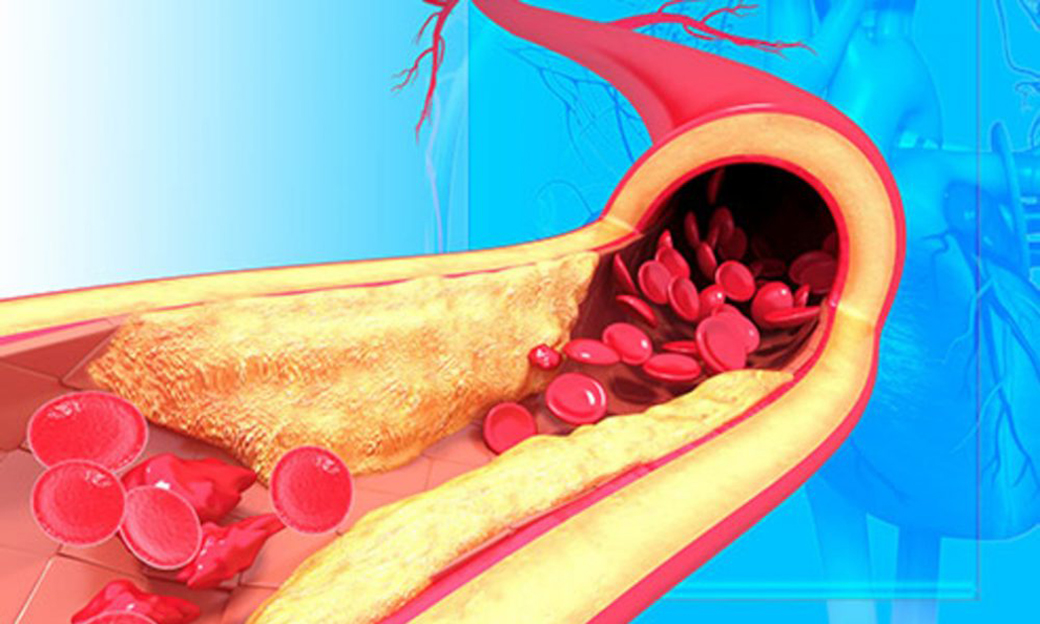
While severe hypotension is a direct cause of low diastolic blood pressure, another important factor is arterial stiffness. As we age, our arteries naturally lose some of their elasticity. This process is compounded by conditions such as diabetes and atherosclerosis (a buildup of fatty deposits in the arteries), both of which can lead to arterial stiffening.
Stiff arteries contribute to changes in both systolic and diastolic blood pressure readings. Arteries that are less flexible cannot expand and contract as efficiently with each heartbeat. This means that while systolic pressure may increase as the heart works harder to push blood through the stiffened arteries, diastolic pressure may remain low, reflecting the reduced capacity of the arteries to expand during the heart's resting phase. This phenomenon is known as high pulse pressure, which refers to the widening gap between systolic and diastolic pressures.
Several factors contribute to this condition:
1. Aging: As individuals get older, the elasticity of their arteries naturally decreases. This results in higher systolic pressures and lower diastolic pressures, leading to high pulse pressure and potentially dangerously low diastolic readings. High pulse pressure is particularly common in older adults.
2. Atherosclerosis: The buildup of plaque inside the arteries can stiffen them, reducing their ability to expand and contract. This, too, can lead to an increase in systolic pressure and a reduction in diastolic pressure. Atherosclerosis can be exacerbated by factors such as high cholesterol, smoking, and high blood pressure.
3. Diabetes: Diabetes, particularly when it is poorly controlled, can contribute to both arterial stiffness and the thickening of blood vessels. This reduces the efficiency of blood flow, leading to a combination of high systolic blood pressure and low diastolic blood pressure. Additionally, diabetes-related damage to blood vessels can increase the risk of developing atherosclerosis.

The Risks of Extremely Low Diastolic Blood Pressure
Extremely low diastolic blood pressure can be particularly dangerous because it may signal underlying cardiovascular issues. In cases of severe hypotension, where blood pressure readings fall below 90/60 mm Hg, the risk of organ failure increases due to insufficient blood supply to vital organs like the heart, kidneys, and brain.
Stiff arteries and high pulse pressure, on the other hand, are often linked to an increased risk of cardiovascular disease, including heart attack, stroke, and heart failure. High pulse pressure is commonly seen in individuals with atherosclerosis, diabetes, and older adults, and can serve as an early warning sign of vascular disease.
Additionally, extremely low diastolic pressure is concerning because it can impair the ability of the heart to receive adequate blood flow during the resting phase of each heartbeat. This can lead to poor oxygenation of the heart muscle, increasing the risk of heart disease over time.
Both severe hypotension and stiff arteries can cause extremely low diastolic blood pressure, though through different mechanisms. Severe hypotension results from conditions such as dehydration, blood loss, infection, severe allergic reactions, or certain medications, which lower both systolic and diastolic pressures. On the other hand, stiff arteries, often caused by aging, diabetes, or atherosclerosis, lead to a high systolic blood pressure and a low diastolic blood pressure, a condition known as high pulse pressure.
While both conditions pose risks to cardiovascular health, the underlying causes of extremely low diastolic blood pressure should be carefully assessed and addressed. Regular monitoring of blood pressure, lifestyle modifications, and medical intervention may help prevent complications and reduce the risk of cardiovascular disease.
Subscribe means that you have read and agree to the Privacy Policy.

Subscribe means that you have read and agree to the Privacy Policy.
Copyright © Shenzhen Pango Medical Electronics Co.,Ltd, Ltd. All Rights Reserved.
 FOCUS ON YOUR FAMILY HEALTH
Tel: +86-0755-33825988
Fax: +86-0755-33825989
Email: sales2@pan-go.com