
In recent years, low-frequency pulse therapy devices have moved from clinical rehabilitation centers into broader home healthcare settings. These battery-operated or plug-in units deliver mild electrical impulses through surface electrodes, targeting specific muscle groups or nerve pathways. While the technology is not new, its practical applications continue to expand as users seek non-pharmacological options for pain management and functional recovery.
How Low-Frequency Pulses Interact with Body Tissues
Low-frequency stimulation typically operates within 1–1000 Hz, with most therapeutic devices using frequencies below 150 Hz for deeper tissue penetration. The impulses mimic the body’s natural bioelectrical signals, yet they are externally controlled in terms of intensity, duration, and waveform. This artificial input triggers a cascade of local and systemic responses, which can be grouped into four primary therapeutic actions.
1. Enhanced Blood Circulation and Metabolic Exchange
One of the most consistent effects is local vasodilation. The rhythmic contraction of skeletal muscles induced by electrical pulses acts as a secondary pump, propelling venous blood and lymphatic fluid back toward the central circulation. This is particularly beneficial in areas with poor perfusion, such as distal limbs or post-surgical sites.
Improved microcirculation brings more oxygen and nutrients to ischemic tissues while accelerating the clearance of metabolic by-products like lactic acid and inflammatory mediators. Users often report reduced swelling and a subjective feeling of warmth in the treated area—signs that correlate with increased capillary flow. Over repeated sessions, this circulatory support may aid in wound healing, reduce dependent edema, and maintain skin trophicity in immobile patients.
2. Analgesic Effect via Gate Control and Endogenous Modulation
Pain relief is the most sought-after benefit. Low-frequency pulses act through two complementary mechanisms. First, the “gate control” theory suggests that large-diameter afferent fibers (A-beta) stimulated by electrical input can suppress pain signals transmitted by smaller C-fibers at the spinal cord level. The result is a temporary, segmental analgesia that begins within minutes of electrode placement.
Second, repetitive stimulation at certain frequencies (especially 2–10 Hz) can promote the release of endogenous opioids—enkephalins and endorphins—within the central nervous system. This produces a longer-lasting, systemic pain-modulating effect that does not rely solely on local nerve blockade. For chronic conditions like osteoarthritis or low-back pain, this dual action often reduces the need for oral analgesics, although it rarely eliminates the underlying pathology.
3. Muscle Function Recovery and Atrophy Prevention
Skeletal muscle requires regular neural activation to maintain its mass and contractile properties. When injury, surgery, or neurological impairment interrupts this natural drive, disuse atrophy sets in within days. Low-frequency stimulation provides an exogenous activation pattern that recruits motor units in a synchronized manner.
For postoperative patients or those with peripheral nerve lesions, this therapy helps preserve muscle fiber diameter and oxidative enzyme activity until voluntary control returns. It also facilitates the retraining of neuromuscular junctions: by generating controlled contractions, the device reinforces the cortical-spinal pathways, potentially shortening rehabilitation timelines. In athletic settings, it is sometimes used as a supplementary warm-up or cooldown tool, though its primary value remains in restorative rather than performance-enhancing scenarios.
4. Neuromodulation and Autonomic Balance
Beyond motor and sensory effects, low-frequency currents influence the autonomic nervous system. Depending on electrode placement and frequency parameters, stimulation can shift the sympathovagal balance toward a more parasympathetic state, reducing resting heart rate and promoting relaxation. This is particularly noticeable in patients with stress-related muscle tension or insomnia.
At the segmental level, repeated stimulation may improve the conduction velocity of demyelinated or partially injured nerve fibers. While it does not regenerate neurons, it can enhance the excitability of surviving axons and encourage collateral sprouting. For individuals with diabetic neuropathy or post-herpetic neuralgia, this modulatory effect often translates to better sensation and fewer spontaneous paresthesias over time.
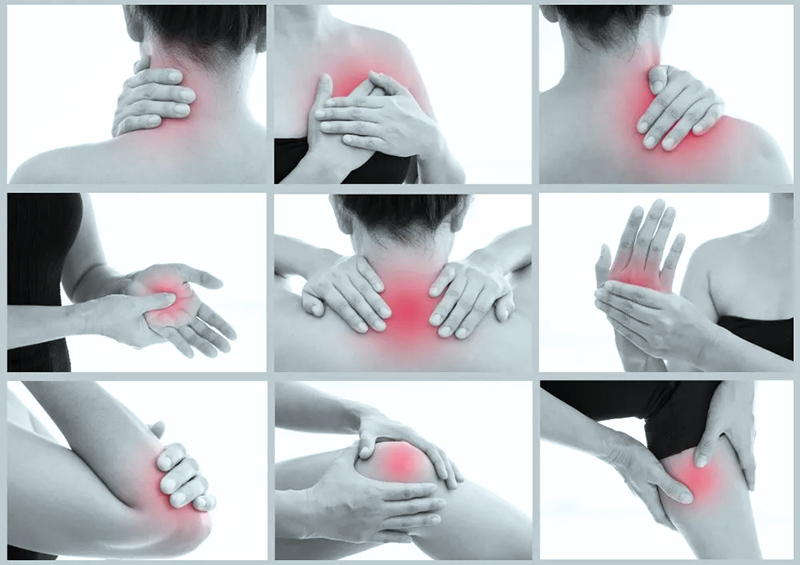
Common Indications for Low-Frequency Pulse Therapy
The following conditions are widely accepted as suitable targets for this modality, provided that a healthcare professional has ruled out contraindications.
·Chronic musculoskeletal pain – including cervical spondylosis, lumbar disc degeneration, myofascial pain syndrome, and fibromyalgia. The therapy is typically applied over the most tender points or along the affected dermatomes.
·Post-traumatic and postoperative edema – e.g., after joint replacement, fracture fixation, or soft-tissue repair. Early application (after the acute inflammatory phase) helps reduce swelling and improve range of motion.
·Peripheral neuropathies – such as mild carpal tunnel syndrome, ulnar nerve entrapment, or radiation-induced nerve fibrosis. The goal is symptom management, not cure.
·Stroke or spinal cord injury rehabilitation – as an adjunct to physiotherapy, to maintain muscle bulk and reduce spasticity in paretic limbs. Frequency and duty cycles must be carefully titrated to avoid excessive fatigue.
·Geriatric deconditioning – for elderly patients with limited mobility, to counteract age-related sarcopenia and enhance independent transfer abilities.
·Sports-related overuse injuries – tendinopathies and shin splints may respond positively to the combined analgesic and circulatory effects, though concurrent mechanical loading remains essential.
·Functional gastrointestinal disorders – select devices with abdominal electrodes have been explored for chronic constipation or postoperative ileus, utilizing the parasympathetic reflex arc.
Critical Safety Considerations and Contraindications
Despite its non-invasive nature, low-frequency pulse therapy carries real risks if misused. The following precautions should be clearly communicated to any prospective user.
Absolute Contraindications
·Cardiac pacemakers or implanted defibrillators – electrical interference may trigger malfunction.
·Active malignancies – current can theoretically promote local blood flow, which is undesirable in tumor beds.
·Uncontrolled epilepsy – stimulation over the head, neck, or vagal area may lower seizure threshold.
·Deep vein thrombosis or acute thromboembolic events – vasodilation could dislodge a clot.
·Pregnancy – especially over the abdomen or pelvis, due to unknown effects on fetal development.
·Infected or eczematous skin – electrodes should never be placed over open wounds, rashes, or recent surgical incisions with drains.
Relative Precautions
·Impaired skin sensation – diabetic patients or those with spinal cord lesions must use lower intensities and inspect the skin frequently to prevent burns.
·Metallic implants – while most modern devices are safe, electrodes should not be positioned directly over plates, screws, or joint prostheses to avoid uneven current distribution.
·Cardiovascular instability – severe hypertension or arrhythmias warrant medical clearance before any session.
·Cognitive impairment – users must be able to understand the controls and report adverse sensations.
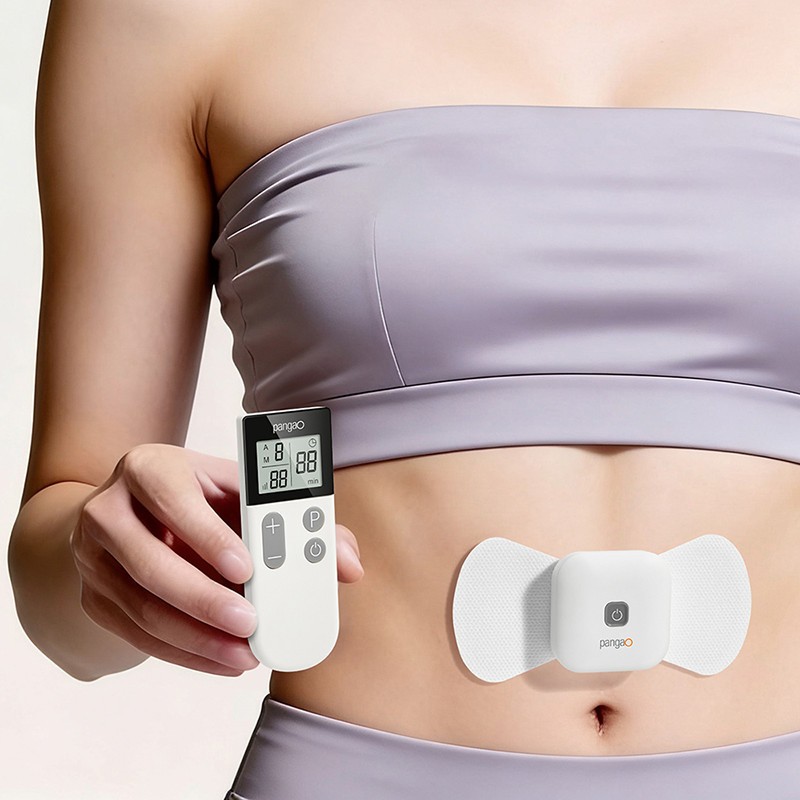
Integrating Therapy into a Comprehensive Care Plan
Low-frequency pulse devices are not replacements for active exercise, manual therapy, or pharmacological intervention. They perform best as an adjunct—bridging the gap between acute injury and full functional restoration. For example, a postoperative knee patient may use the device to reduce quadriceps inhibition before starting weight-bearing exercises. A chronic neck pain sufferer might combine stimulation with stretching and ergonomic adjustments for lasting relief.
Final Remarks on Realistic Expectations
Low-frequency therapy offers physiological support: better blood flow, modulated pain signals, preserved muscle integrity, and balanced neural tone. These effects are measurable, reproducible, and clinically meaningful, but they operate within the limits of the individual’s healing capacity. Users should approach each session with patience. Results are rarely instantaneous; most patients notice incremental improvements after 5-10 consecutive treatments. Consistency, correct electrode placement, and proper intensity calibration outweigh the brand or price of the device.
Lastly, always consult a qualified healthcare provider before starting therapy—especially if you have pre-existing conditions or are taking medications that affect coagulation, cardiac rhythm, or seizure control.
Subscribe means that you have read and agree to the Privacy Policy.

Subscribe means that you have read and agree to the Privacy Policy.
Copyright © Shenzhen Pango Medical Electronics Co.,Ltd, Ltd. All Rights Reserved.
 FOCUS ON YOUR FAMILY HEALTH
Tel: +86-0755-33825988
Fax: +86-0755-33825989
Email: sales2@pan-go.com