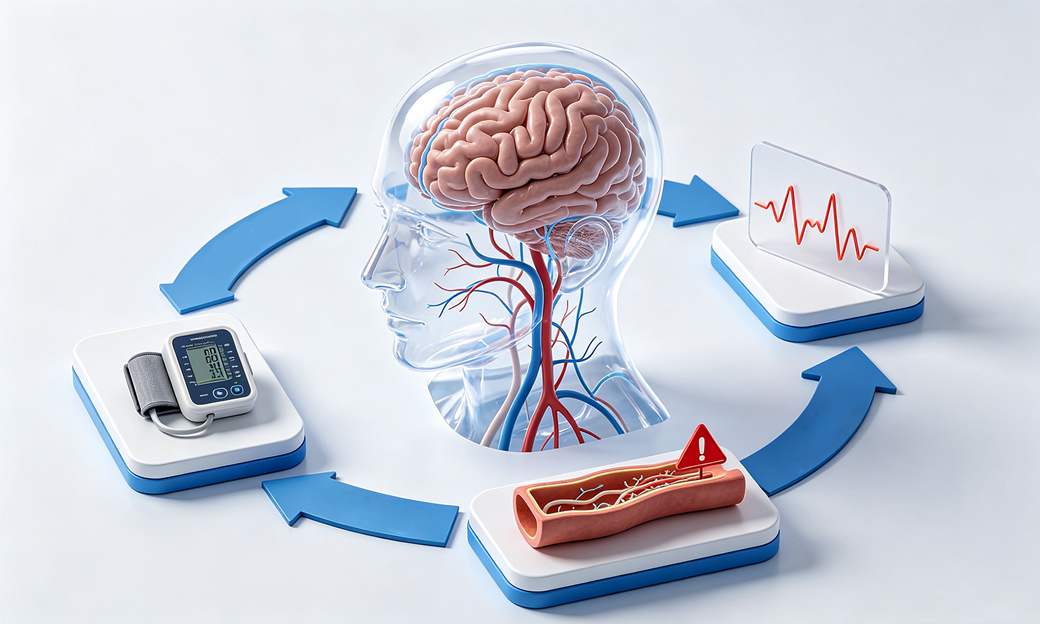
Stroke is a leading cause of long-term disability worldwide, and survivors often face multiple challenges during recovery, including motor impairments, cognitive difficulties, and increased risk of falls. Falls are a significant concern for stroke survivors because they can lead to injuries, hospital readmissions, and further deterioration of physical function. One important but sometimes overlooked factor contributing to fall risk is blood pressure control.
The Relationship Between Blood Pressure and Stroke
High blood pressure (hypertension) is the most critical modifiable risk factor for stroke. Elevated blood pressure increases the risk of both ischemic and hemorrhagic strokes by damaging blood vessel walls and promoting the formation of blood clots or vessel rupture. After an acute stroke event, managing blood pressure becomes a key component of secondary prevention to reduce the risk of recurrent stroke.
Blood Pressure Management After Stroke
In the immediate aftermath of a stroke, blood pressure often rises as part of the body’s stress response. However, this elevated pressure can be harmful if excessively high. Conversely, lowering blood pressure too aggressively right after a stroke can reduce cerebral perfusion (blood flow to the brain), especially in areas affected by the stroke, potentially worsening neurological outcomes.
Therefore, current clinical guidelines recommend individualized blood pressure targets after stroke, balancing the need to prevent further vascular damage with the risk of causing cerebral hypoperfusion.
Blood Pressure and Fall Risk in Stroke Survivors
Falls among stroke survivors are multifactorial. Common causes include muscle weakness, impaired balance and coordination, sensory deficits, cognitive impairments, and medication side effects. Blood pressure fluctuations—particularly episodes of hypotension (low blood pressure)—can add to this risk by causing dizziness, lightheadedness, or syncope (fainting).
Poorly controlled blood pressure, characterized by wide variability or frequent hypotensive episodes, can destabilize the patient’s balance system. For example:
●Orthostatic hypotension (a sudden drop in blood pressure when standing) can cause dizziness and increase fall risk.
●Excessive lowering of blood pressure through medications may reduce cerebral perfusion, impairing alertness and motor control.
●Blood pressure variability is linked to vascular instability, which may affect the brain’s ability to regulate balance and posture.

Evidence Supporting Blood Pressure Control to Reduce Falls
Emerging research indicates that better blood pressure control after stroke is associated with fewer falls. Studies have shown that stroke survivors with stable, well-managed blood pressure tend to have improved functional outcomes and fewer episodes of dizziness or syncope.
A tailored approach to blood pressure management—one that carefully monitors and avoids extremes, rather than simply targeting a low number—can reduce fall risk by maintaining adequate cerebral perfusion and minimizing side effects.
Practical Recommendations
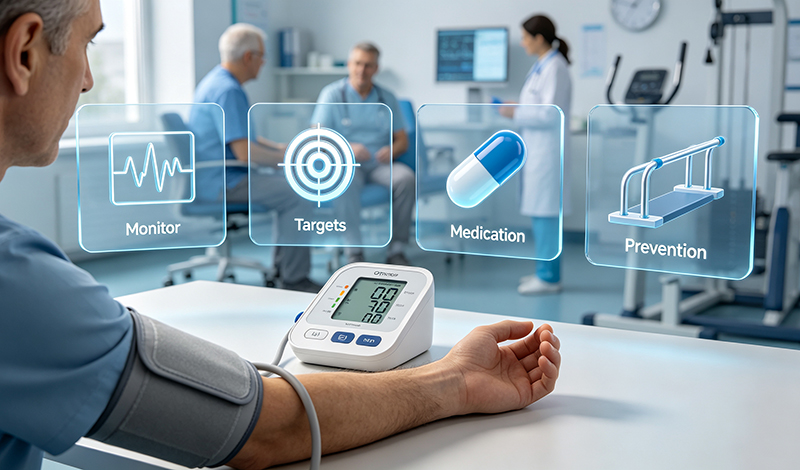
1. Regular Monitoring: Blood pressure should be measured frequently during the acute and subacute phases of stroke recovery to detect and manage fluctuations.
2. Individualized Targets: Blood pressure goals should be personalized, considering the patient's overall health, stroke type, and presence of comorbidities.
3. Medication Management: Physicians should balance the benefits of antihypertensive drugs with potential side effects that can contribute to falls.
4. Fall Prevention Strategies: Alongside blood pressure control, physical therapy, balance training, home safety assessments, and medication reviews are crucial.
Better blood pressure control after stroke is not only vital for preventing recurrent cerebrovascular events but also plays an essential role in reducing the risk of falls—a major cause of morbidity in stroke survivors. Healthcare providers should adopt a nuanced, patient-centered approach to blood pressure management, focusing on stability and functional outcomes, to optimize recovery and quality of life.
Subscribe means that you have read and agree to the Privacy Policy.

Subscribe means that you have read and agree to the Privacy Policy.
Copyright © Shenzhen Pango Medical Electronics Co.,Ltd, Ltd. All Rights Reserved.
 FOCUS ON YOUR FAMILY HEALTH
Tel: +86-0755-33825988
Fax: +86-0755-33825989
Email: sales2@pan-go.com