
Neck pain is no longer just a problem associated with aging. Today, prolonged computer use, frequent smartphone use, poor posture, and sedentary lifestyles have made cervical spondylosis one of the most common musculoskeletal conditions among adults of all ages. Many people experience persistent neck stiffness, aching shoulders, headaches, or even numbness and tingling in the arms as the condition progresses.
Because cervical spondylosis is usually a long-term degenerative condition, treatment often focuses on controlling symptoms, maintaining mobility, and preventing further deterioration rather than providing a complete cure. Alongside medication, physical therapy, and exercise, electrotherapy has become an increasingly popular non-invasive treatment option. Available in both rehabilitation clinics and portable home devices, electrical stimulation offers a drug-free way to manage pain and support recovery.
But can electrotherapy really help with cervical spondylosis? The answer is yes. While it cannot reverse degenerative changes in the cervical spine, the right type of electrical stimulation can relieve pain, reduce muscle tension, improve circulation, and assist muscle rehabilitation, making it a valuable part of a comprehensive treatment plan.
Cervical spondylosis develops when the discs, joints, and other structures of the cervical spine gradually wear down over time. Although degeneration itself is not always painful, it often leads to inflammation, muscle guarding, joint stiffness, and irritation of nearby nerves. As a result, many people experience chronic neck discomfort that affects their daily activities and quality of life.
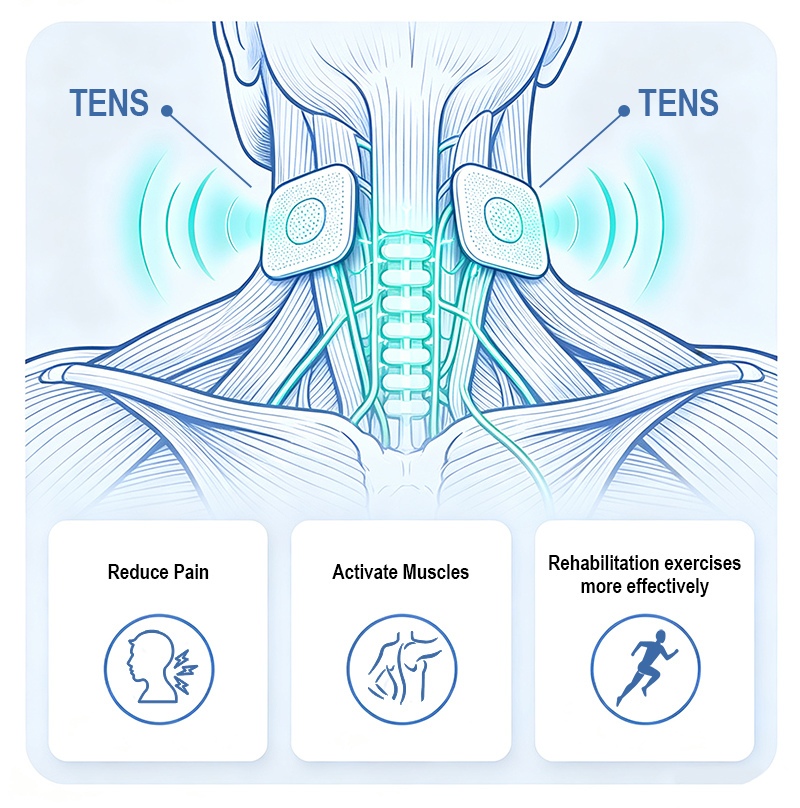
Electrotherapy works by delivering controlled electrical currents through electrodes placed on the skin. Depending on the treatment mode, these electrical impulses can target sensory nerves to reduce pain, stimulate motor nerves to activate muscles, or improve blood circulation in deeper tissues. Rather than addressing only one symptom, electrical stimulation can influence several physiological processes involved in neck pain.
Many patients notice reduced muscle tightness after treatment, while others experience temporary pain relief that allows them to move more comfortably and perform rehabilitation exercises more effectively. For people with chronic neck pain, these improvements can make it easier to restore normal movement patterns and gradually regain muscle function.
Not all electrotherapy works the same way. Different stimulation technologies are designed to achieve different therapeutic goals, which is why many rehabilitation professionals use multiple forms of electrical stimulation depending on a patient's symptoms and stage of recovery.
Transcutaneous Electrical Nerve Stimulation (TENS) is the most widely recognized form of electrotherapy for pain management. It delivers low-frequency electrical pulses that stimulate sensory nerves without causing noticeable muscle contractions. These impulses help interrupt pain signals before they reach the brain while encouraging the release of endorphins, the body's natural pain-relieving chemicals. For people with cervical spondylosis, TENS is particularly effective for relieving persistent neck pain, reducing muscle soreness, and improving comfort during daily activities. It is often recommended for individuals whose primary concern is pain rather than muscle weakness.
Electrical Muscle Stimulation (EMS), on the other hand, focuses on activating motor nerves. Instead of simply reducing discomfort, EMS produces controlled muscle contractions that help strengthen muscles weakened by prolonged pain or inactivity. Chronic neck pain often causes people to unconsciously limit their movements, leading to weakened cervical and shoulder muscles that provide less support for the spine. By encouraging muscle activation, EMS helps improve stability, enhance circulation, and support long-term rehabilitation.
Russian Stimulation (RUSS) builds upon the concept of EMS by using medium-frequency electrical currents delivered in bursts to create stronger and more efficient muscle contractions. Originally developed for athletic training, it has become widely used in rehabilitation to improve muscle performance after injury or prolonged inactivity. For cervical spondylosis, Russian Stimulation can help restore strength in the deep cervical muscles that play an important role in supporting spinal alignment. It is often introduced after pain has been brought under control, allowing patients to focus on rebuilding muscle function and improving neck stability.
Interferential Therapy (IF) takes a different approach by combining two medium-frequency currents that intersect within deeper tissues. This creates a therapeutic low-frequency effect beneath the skin while remaining relatively comfortable on the surface. Because the stimulation reaches deeper muscles and soft tissues, interferential therapy is commonly used for chronic neck stiffness, muscle spasms, and long-standing pain. Many patients find IF therapy particularly helpful when neck discomfort feels deep and persistent rather than localized near the skin.
Rather than competing with one another, these four therapies often complement each other. A patient experiencing severe pain may begin with TENS or IF therapy to improve comfort, then gradually incorporate EMS or Russian Stimulation to rebuild muscle strength as symptoms improve. This combination allows treatment to evolve alongside the recovery process instead of relying on a single therapy throughout every stage.
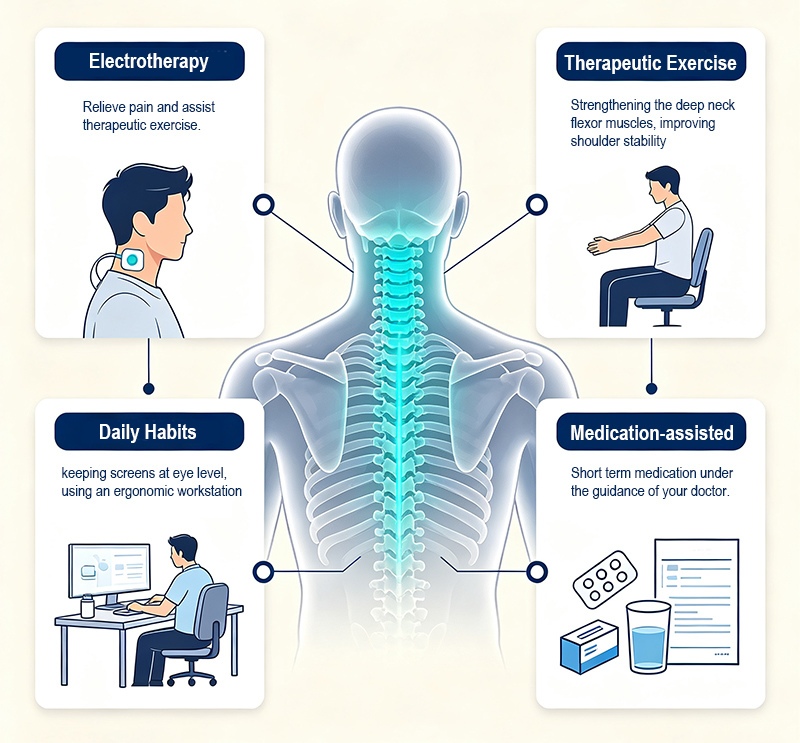
Although electrotherapy can significantly reduce symptoms, it should not be viewed as a standalone treatment for cervical spondylosis. The most successful rehabilitation programs combine electrical stimulation with other conservative therapies that address the underlying mechanical causes of neck pain.
One of the most important components is therapeutic exercise. Strengthening the deep neck flexor muscles, improving shoulder stability, and stretching tight muscles around the neck and upper back help restore normal movement patterns while reducing stress on the cervical spine. When pain is reduced through electrotherapy, patients are often able to perform these exercises more comfortably and consistently, leading to better long-term outcomes.
Physical therapy also plays a valuable role. Manual therapy techniques, posture correction, joint mobilization, and individualized rehabilitation programs can improve flexibility and movement while reducing muscle tension. Electrotherapy is frequently used before or after these treatments to make therapy sessions more comfortable and effective.
For individuals experiencing severe inflammation or acute pain, physicians may recommend medications such as nonsteroidal anti-inflammatory drugs (NSAIDs) or muscle relaxants. These medications can provide temporary symptom relief, allowing patients to participate more actively in rehabilitation. However, medication alone does not improve muscle function or posture, which is why combining it with electrotherapy and exercise is often more effective.
Daily habits are equally important. Spending hours looking down at a phone, working with an improperly positioned computer monitor, or maintaining poor sitting posture places continuous stress on the cervical spine. Simple adjustments such as taking regular movement breaks, keeping screens at eye level, using an ergonomic workstation, and sleeping with appropriate neck support can help reduce recurring symptoms and improve the effectiveness of ongoing treatment.
Home electrotherapy devices have become increasingly popular because they allow users to manage symptoms whenever discomfort occurs. However, achieving good results depends on using the device correctly.
Electrode placement is one of the most important factors. Pads should generally be placed on the muscles surrounding the neck and shoulders rather than directly over the front of the neck, where important blood vessels and sensitive structures are located. Following the placement recommendations provided by the manufacturer or a healthcare professional can improve both safety and treatment effectiveness.
Treatment intensity should always be adjusted gradually. The electrical stimulation should feel strong enough to produce the desired therapeutic effect without causing significant discomfort or pain. Most treatment sessions last between 20 and 30 minutes, and using the device more frequently or at higher intensities than recommended does not necessarily improve results.
Certain individuals should consult a healthcare provider before using electrotherapy. People with pacemakers or other implanted electrical devices, epilepsy, pregnancy, or serious heart conditions may not be suitable candidates for electrical stimulation. Likewise, electrodes should never be applied over broken skin, infected areas, or regions with reduced sensation.
When used according to instructions, home electrotherapy devices are generally considered safe and can become a convenient part of long-term symptom management for many people with cervical spondylosis.
As home electrotherapy becomes more accessible, many users are looking beyond basic TENS units in favor of devices that offer multiple treatment options. Since the symptoms of cervical spondylosis often change over time—from acute pain and muscle tension to weakness during rehabilitation—a multifunctional device provides greater flexibility throughout the recovery process.
The Pangao KTR-2610 TENS Unit is designed with this versatility in mind. Instead of offering only one stimulation mode, it integrates TENS, EMS, Russian Stimulation (RUSS), Interferential Therapy (IF), and a customizable DIY mode into a single handheld device. This allows users to select different therapies according to their individual symptoms and treatment goals without needing multiple devices.
In addition to its five therapy modes, the KTR-2610 features a portable handheld design that is convenient for use at home, in the office, or while traveling. Its dual-channel output enables simultaneous treatment of two different areas, making it suitable for relieving both the neck and shoulders during the same session. The device also includes 80 preset treatment programs and 16 adjustable intensity levels, giving users the flexibility to personalize each treatment according to their comfort level and rehabilitation needs.
For people managing chronic neck discomfort at home, having access to multiple electrotherapy technologies in one compact device can make daily treatment more convenient while supporting different stages of pain relief and muscle recovery.
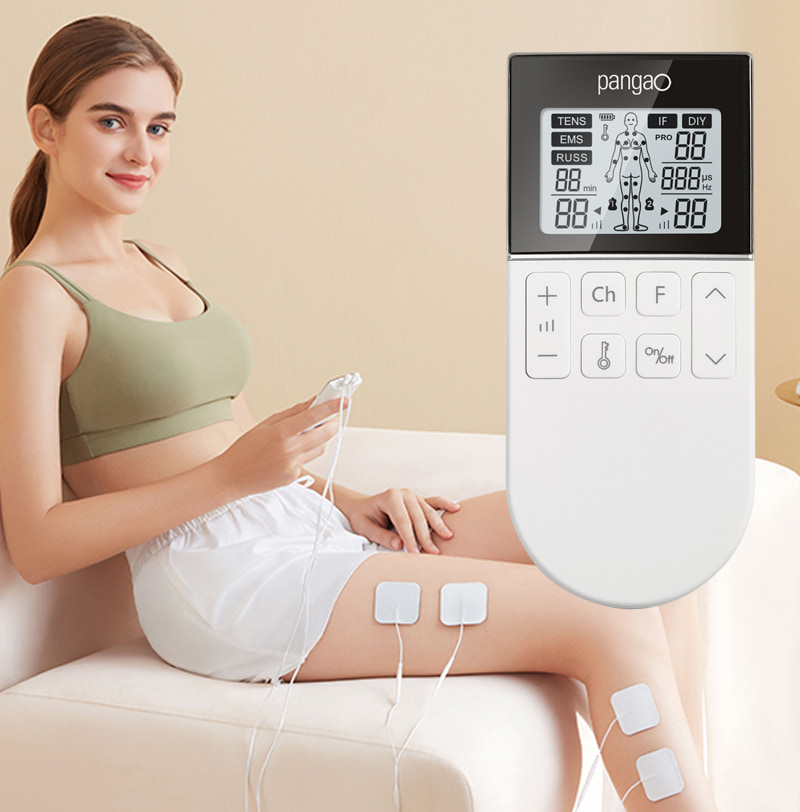
For individuals seeking an all-in-one home solution, a multifunctional device such as the Pangao KTR-2610 offers the flexibility to switch between different stimulation modes as treatment needs change, making electrotherapy a practical and convenient addition to everyday cervical spine care.
Subscribe means that you have read and agree to the Privacy Policy.

Subscribe means that you have read and agree to the Privacy Policy.
Copyright © Shenzhen Pango Medical Electronics Co.,Ltd, Ltd. All Rights Reserved.
 FOCUS ON YOUR FAMILY HEALTH
Tel: +86-0755-33825988
Fax: +86-0755-33825989
Email: sales2@pan-go.com