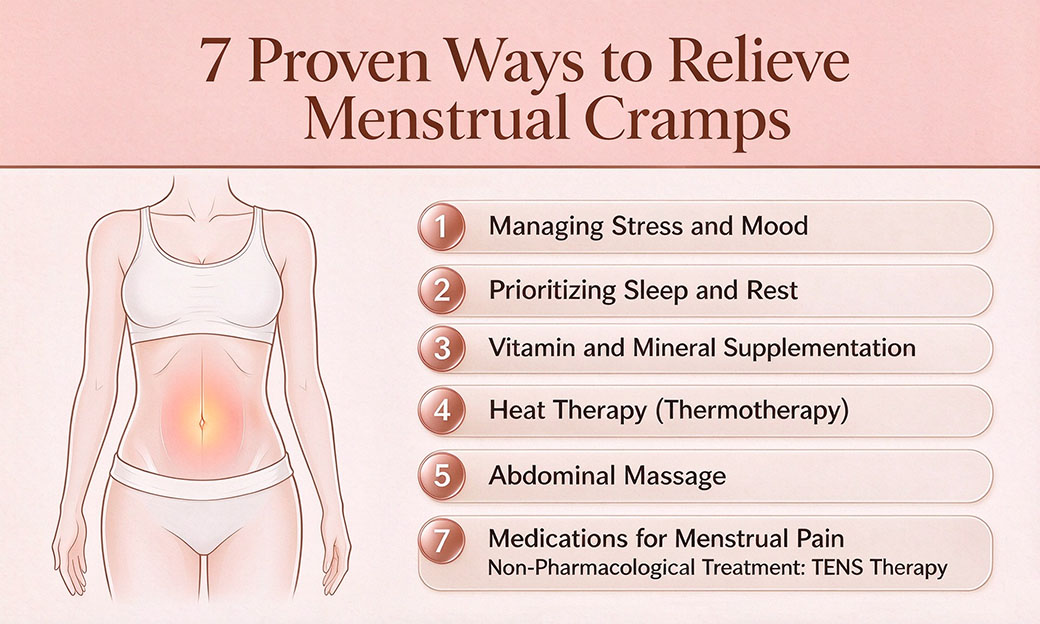
Menstrual cramps (dysmenorrhea) affect a large proportion of women of reproductive age and can significantly interfere with daily activities, academic performance, and quality of life. The pain—typically experienced as cramping in the lower abdomen that may extend to the lower back and legs—is caused by uterine contractions triggered by prostaglandins released during menstruation.
While many women turn to over-the-counter painkillers such as ibuprofen and acetaminophen, some cannot use these medications due to side effects or underlying health conditions. Fortunately, there are multiple approaches to managing period pain—from lifestyle adjustments and home remedies to drug-free technologies like TENS therapy. This article covers the full spectrum of treatment options and explains how combining different methods can deliver the best results.
Daily Care: Lifestyle, Diet, and Supplements
Before reaching for any treatment, consider the foundation of menstrual health: your daily habits. Small adjustments to your routine can make a noticeable difference in cramp severity.
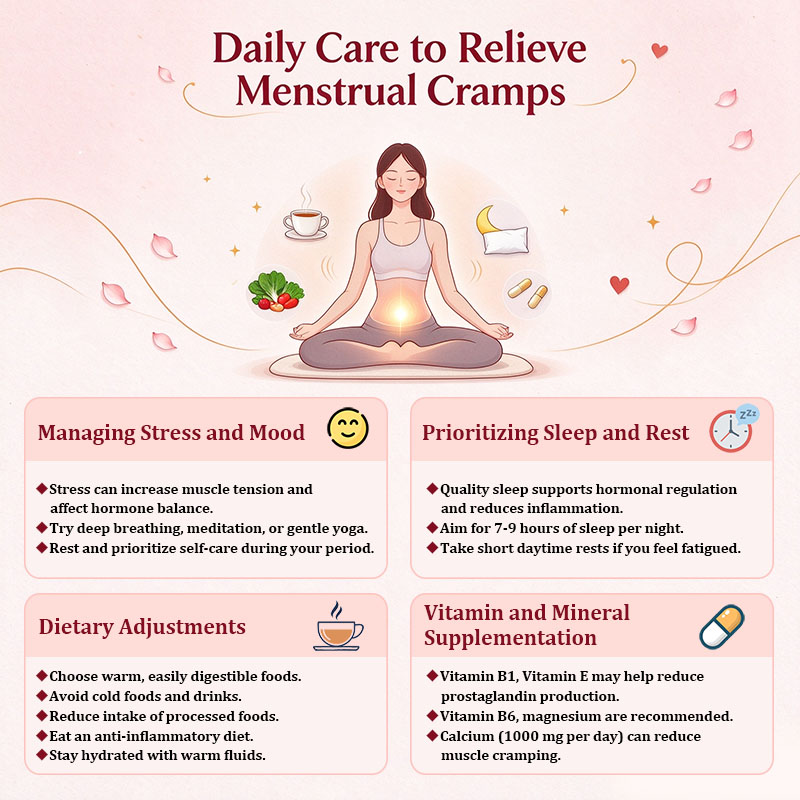
Managing Stress and Mood
Stress can exacerbate menstrual pain by increasing muscle tension and altering hormone balance. Practicing relaxation techniques such as deep breathing, meditation, or gentle yoga can help calm the nervous system and reduce pain perception. Taking time to rest and prioritize self-care during your period isn't indulgence—it's essential.
Prioritizing Sleep and Rest
Quality sleep supports hormonal regulation and reduces inflammation. During menstruation, when the body is already under physical stress, adequate rest becomes even more critical. Aim for 7–9 hours of sleep per night, and don't hesitate to take short rests during the day if fatigue sets in.
Dietary Adjustments
What you eat before and during your period can influence cramp intensity. Consider these dietary strategies:
● Choose warm, easily digestible foods such as porridge, ginger tea, and red date soup, which help promote blood circulation and soothe the uterus.
● Avoid cold foods and drinks, as they can cause blood vessels to constrict, potentially worsening pain and hindering menstrual flow.
● Reduce intake of caffeine, sugar, and processed foods, which may increase inflammation.
● Eat an anti-inflammatory diet rich in omega-3 fatty acids to modulate prostaglandin production and decrease cramping.
● Stay hydrated with warm fluids like ginger tea—ginger has been shown to have effects comparable to some pain relievers.
Vitamin and Mineral Supplementation
Certain nutrients have been shown to help reduce menstrual pain:
● Vitamin B1 and Vitamin E may help reduce prostaglandin production, the primary driver of uterine contractions.
● Vitamin B6, calcium, and magnesium are also recommended for menstrual pain relief
● Calcium (1,000 mg per day) can reduce muscle cramping.
● Iron-rich foods like lean meat, spinach, and organ meats help prevent anemia during menstruation.
General Treatments: Heat Therapy and Massage
These simple, drug-free methods can provide immediate relief and are accessible to almost everyone.
Heat Therapy (Thermotherapy)
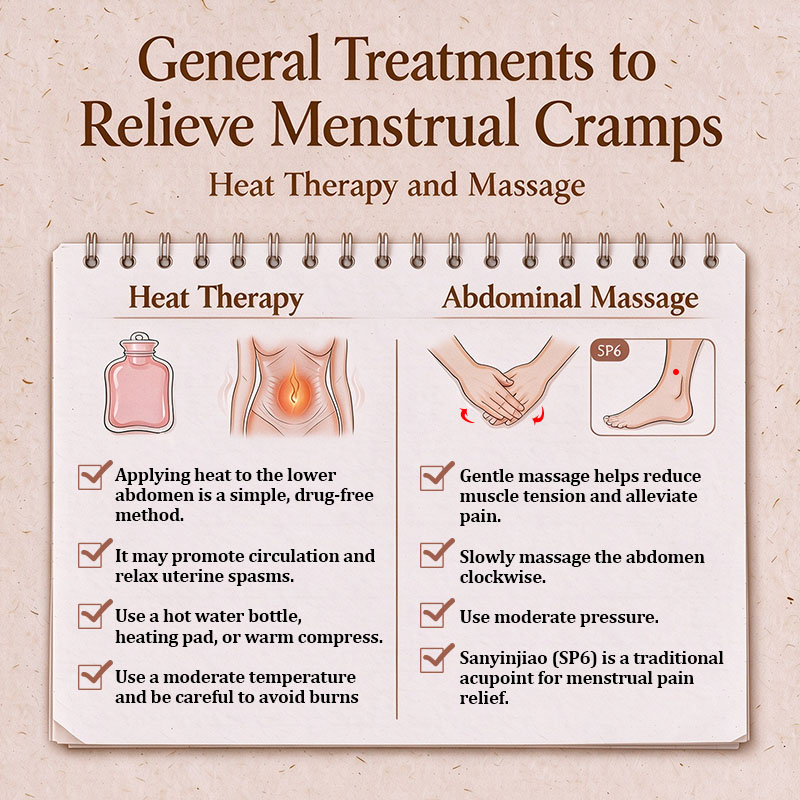
Applying heat to the lower abdomen is one of the most effective ways to relieve menstrual cramps. Heat works by:
● Promoting local blood circulation.
● Relaxing uterine muscle spasms.
● Reducing muscle tension and cramping.
You can use a hot water bottle, a heating pad, or a warm compress on your lower abdomen. Be careful to avoid burns—use a moderate temperature and never apply heat directly to bare skin.
Abdominal Massage
Gentle massage can help relax uterine muscles and alleviate pain. Try this technique:
● Place both hands on your lower abdomen.
● Massage in a clockwise direction with gentle, circular motions.
● Use moderate pressure—never press too hard.
You can also apply acupressure to specific points such as the Sanyinjiao (SP6) acupoint, located above the inner ankle, which is traditionally used for menstrual pain relief.
Medications for Menstrual Pain
When lifestyle adjustments and home remedies aren't enough, medications can be effective.
Over-the-Counter Pain Relievers
Nonsteroidal anti-inflammatory drugs (NSAIDs) —such as ibuprofen and naproxen—are the most commonly used first-line pharmacological treatment for dysmenorrhea. They work by inhibiting prostaglandin synthesis, directly targeting the source of menstrual pain.
Acetaminophen (paracetamol) is another option for those who cannot tolerate NSAIDs.
Hormonal Contraceptives
Oral contraceptives can reduce menstrual pain by thinning the endometrial lining and decreasing prostaglandin production. These require a prescription and should be discussed with a healthcare provider.
A Note on Medication Limitations
While medications are effective, they aren't suitable for everyone. Some women experience gastrointestinal side effects from NSAIDs, while others have contraindications such as bleeding disorders or kidney issues. This is where non-pharmacological approaches become particularly valuable.
Non-Pharmacological Treatment: TENS Therapy
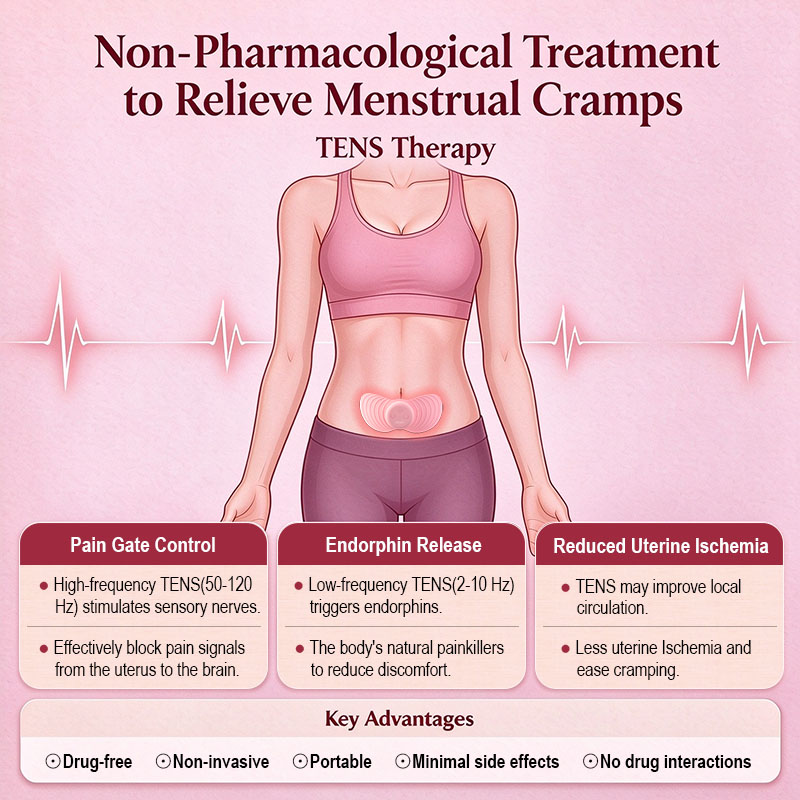
Transcutaneous Electrical Nerve Stimulation (TENS) is a non-invasive, drug-free therapy that has gained recognition as an effective option for managing menstrual pain.
What Is TENS?
A TENS machine is a small, portable, battery-operated device with electrodes (pads) that adhere to the skin over the source of pain. The device sends low-voltage electrical currents through the skin to stimulate underlying nerves.
How Does TENS Work for Period Pain?
1. The Pain Gate Control Theory
High-frequency TENS (50–120 Hz) stimulates sensory nerves that act as "gate controllers" in the spinal cord. By stimulating these nerves, TENS effectively "closes the gate," blocking pain signals from traveling from the uterus to the brain. This reduces the perception of pain without stopping the cramps themselves.
2. Endorphin Release
Low-frequency TENS (2–10 Hz) triggers the release of endorphins—the body's natural painkillers. These endogenous opioids bind to pain receptors, providing natural analgesic effects.
3. Reduced Uterine Ischemia
TENS also helps reduce muscle ischemia (reduced blood flow) of the uterus, another contributor to menstrual pain.
What Does the Research Say?
● A Cochrane review of 20 randomized controlled trials involving 585 women found that both high-frequency and low-frequency TENS may reduce pain compared with placebo or no treatment.
● TENS applied during menstruation was associated with clinically meaningful reductions in menstrual pain compared with both placebo and no-intervention conditions.
● TENS offers a non-invasive and accessible strategy for managing menstrual pain outside of clinical settings.
Advantages of TENS Over Medication
● Drug-free: No side effects from painkillers.
● Non-invasive: No needles, no incisions.
● Portable: Can be used at home, at work, or on the go.
● Minimal side effects: May include slight skin redness or irritation around the electrodes.
● No drug interactions: Safe to use alongside other treatments.
Introducing the Pangao Wireless TENS Unit KTR-2402
For those seeking a convenient, effective, and drug-free solution for menstrual pain, the Pangao Wireless TENS Unit KTR-2402 offers a comprehensive approach that combines the best of TENS technology with soothing heat therapy.
Key Features: TENS Pulse Technology for Rapid Pain Relief
The KTR-2402 utilizes TENS pulse technology to deliver gentle, targeted electrical impulses through the skin, effectively blocking pain signals from reaching the brain. Unlike traditional pain relief methods that may take hours to work, the KTR-2402 delivers rapid relief, often within minutes of use.
Soothing 43°C Constant Heat Therapy
What sets the KTR-2402 apart is its built-in constant heating function calibrated to 43°C. The gentle warmth penetrates deep into the abdominal muscles, relaxing tense tissues and increasing blood flow to the affected area. This dual-action approach—combining electrical stimulation with therapeutic heat—provides enhanced relief that neither method alone can achieve.
3 Customizable Modes and 30 Intensity Levels
The KTR-2402 offers three distinct modes and 30 intensity levels, allowing you to personalize your treatment experience:
● Choose from a gentle massage-like pulse, a rhythmic tapping sensation, or a combination of both.
● Start with mild stimulation and gradually increase intensity as needed.
● Find the perfect setting for your comfort level and pain severity.
Wireless and Portable Design
The KTR-2402 features a lightweight and discreet design that makes it easy to use anywhere—at home, in the office, or while traveling. Its wireless functionality eliminates the hassle of cords, and the soft, skin-friendly pads conform to your body's curves for a comfortable fit even during extended use.
FDA and MDR Approved
Safety is paramount when it comes to health and wellness devices. The KTR-2402 has been rigorously tested and approved by both the U.S. Food and Drug Administration (FDA) and the European Union's Medical Device Regulation (MDR) , ensuring it meets the highest standards of safety, efficacy, and quality.
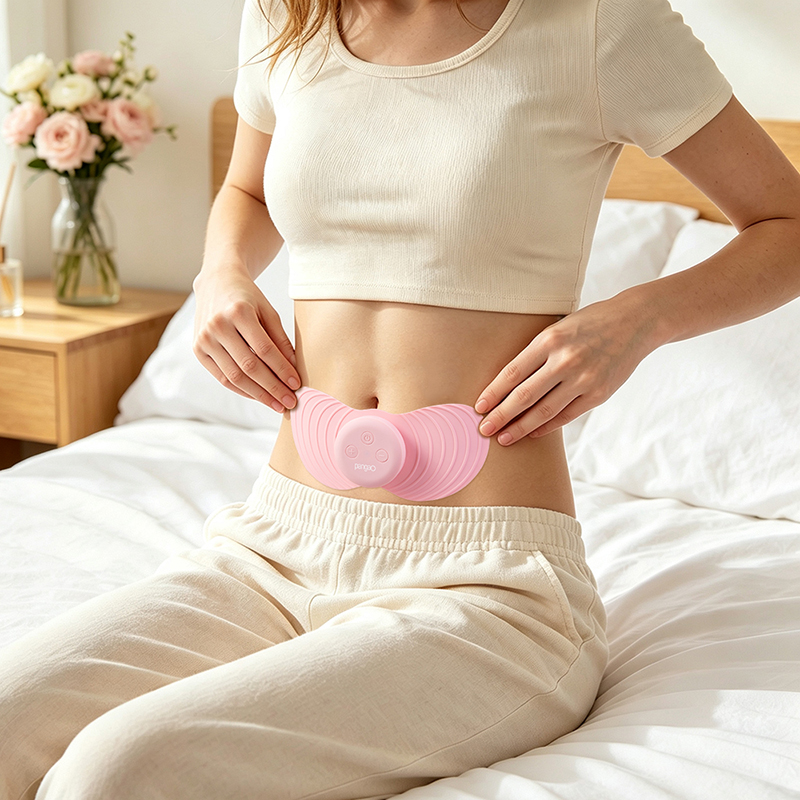
How to Use the KTR-2402 for Menstrual Pain
1. Clean and dry the skin on your lower abdomen
2. Attach the adhesive pads below the belly button and above the pubic region, slightly angled inward like a V-shape or diamond pattern
3. Turn on the device and select your preferred mode
4. Start at the lowest intensity and gradually increase to a comfortable level
5. Enjoy the combined benefits of TENS pulses and 43°C heat therapy
6. A typical session lasts 15–30 minutes
Combining Multiple Approaches for Best Results
The most effective strategy for managing menstrual pain is combining multiple treatment modalities.
● Before your period: Focus on diet (anti-inflammatory foods, warm beverages) and regular exercise.
● At the first sign of cramps: Apply the Pangao KTR-2402 for its dual TENS and heat therapy.
● For breakthrough pain: Consider an NSAID if needed, or increase the intensity on your TENS device.
● Throughout your period: Maintain gentle abdominal massage, stay hydrated, and prioritize rest.
Remember: the best approach is often a combination of methods. Listen to your body, experiment with different techniques, and find the personalized strategy that works best for you. With the right tools and knowledge, you can take control of your menstrual health and reclaim your comfort during that time of the month.
Subscribe means that you have read and agree to the Privacy Policy.

Subscribe means that you have read and agree to the Privacy Policy.
Copyright © Shenzhen Pango Medical Electronics Co.,Ltd, Ltd. All Rights Reserved.
 FOCUS ON YOUR FAMILY HEALTH
Tel: +86-0755-33825988
Fax: +86-0755-33825989
Email: sales2@pan-go.com