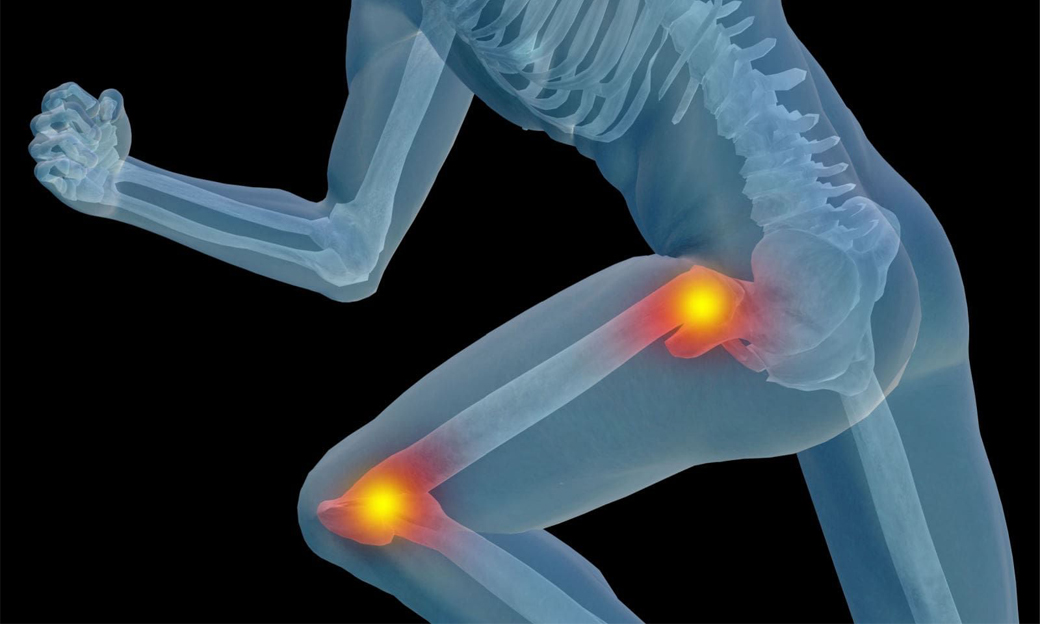
Joint pain—especially in the knees or hips—can make physical activity feel daunting. But avoiding movement altogether often leads to stiffness, muscle weakness, and worsening symptoms. In most cases, smart, joint-friendly exercise is not only safe but essential for maintaining mobility, strength, and overall well-being.
This article will explore how to exercise with knee or hip pain safely and effectively, what activities to avoid, and tips to reduce discomfort during movement.
Why Exercise Matters Even with Joint Pain
●Staying active plays a crucial role in managing joint pain:
●Improves joint flexibility and mobility
●Strengthens muscles that support the knees and hips
●Enhances circulation, promoting healing and reducing stiffness
●Helps with weight management, reducing pressure on the joints
●Boosts mood and reduces the psychological burden of chronic pain
However, not all exercises are created equal when you're dealing with knee or hip discomfort. The key is to choose low-impact, targeted movements that protect your joints while still challenging your muscles.
Recommended Low-Impact Exercises
1. Gentle Cardiovascular Activities
These exercises elevate your heart rate without jarring the joints:
Swimming and Water Aerobics
●The buoyancy of water reduces joint load while offering resistance.
●Ideal for those with arthritis or chronic hip/knee pain.
Cycling or Stationary Biking
●Promotes knee and hip mobility with low impact.
●Ensure your seat is at the proper height to avoid joint strain.
Elliptical Machine
Offers a smoother, gliding motion that reduces joint impact compared to treadmills.
Walking on Even Surfaces
●Keep it short and pain-free.
●Use cushioned shoes and avoid hills or uneven terrain.

2. Strength Training (Joint-Supportive Focus)
Building strength in the muscles around the knees and hips can offload stress from the joints:
Glute Bridges
●Lie on your back with knees bent; lift your hips.
●Strengthens glutes and hamstrings, stabilizing the pelvis and hips.
Clamshells
●Lie on your side with knees bent; lift the top knee.
●Targets hip stabilizers like the gluteus medius.
Seated or Lying Leg Raises
●Focus on slow, controlled motion.
●Avoid adding ankle weights unless pain-free.
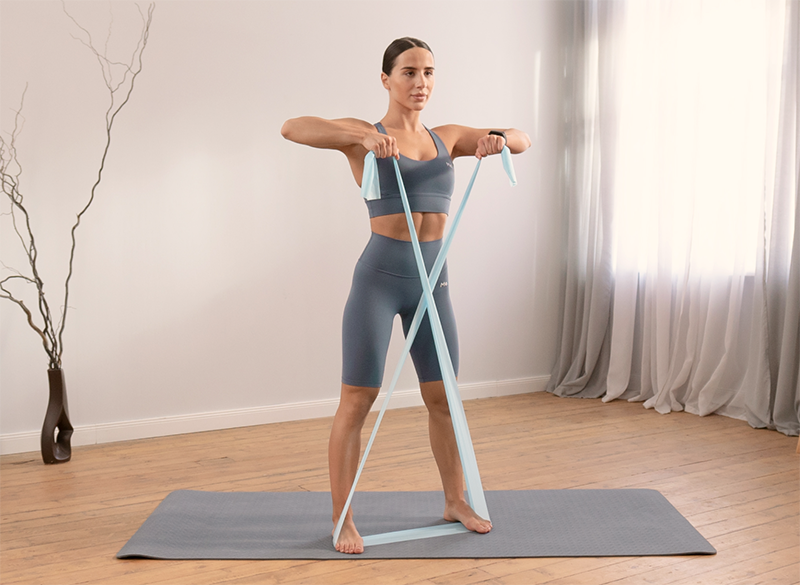
Resistance Band Exercises
●Use light resistance to activate muscles gently.
●Examples: lateral band walks, standing leg abduction.
Tip: Perform 2–3 sets of 10–15 repetitions, 2–3 times per week.
3. Flexibility and Mobility Work
Stretching helps maintain range of motion and reduce muscle tightness:
Daily Gentle Stretching
Focus on:
●Quadriceps and hamstrings
●Hip flexors
●Glutes and calves
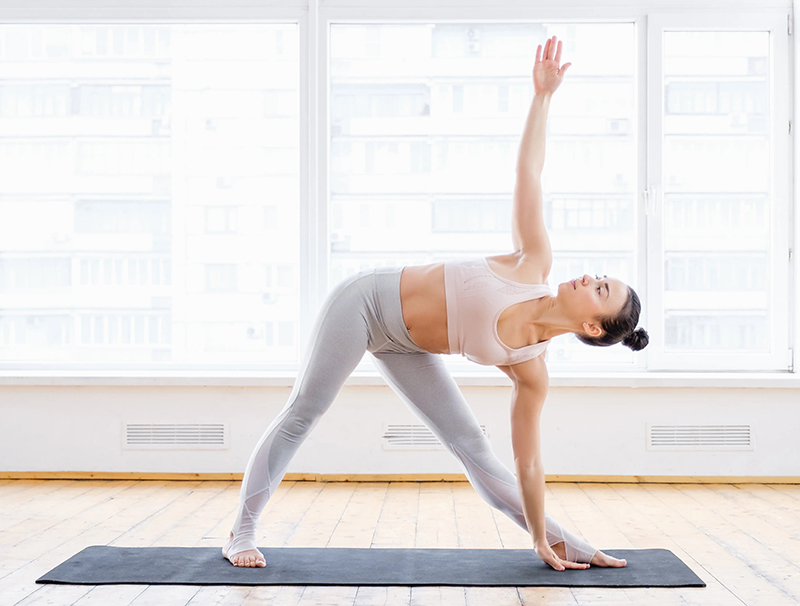
Modified Yoga or Pilates
●Choose classes for beginners or joint pain relief.
●Avoid deep squats or twisting positions that increase discomfort.
Exercises and Movements to Avoid
When dealing with joint pain, certain movements can worsen your condition:
●High-impact activities: Running, jumping, or sports like basketball
●Deep squats or lunges, especially if your pain worsens during or after
●Stair-stepper machines, which place repetitive stress on knees
●Heavy weightlifting with poor form or excessive joint loading
Tips for Exercising Safely with Knee or Hip Pain
Here are practical strategies to make your workouts safer and more effective:
1. Warm Up Thoroughly
Spend at least 5–10 minutes doing gentle dynamic movements (like leg swings, walking, or using a recumbent bike) before any workout.
2. Focus on Form, Not Intensity
Good technique reduces strain and lowers injury risk. Use mirrors, trainers, or videos for guidance.
3. Use Heat and Ice as Needed
●Heat: Before workouts to loosen stiff joints
●Ice: After workouts to reduce inflammation
4. Modify and Progress Gradually
Start with basic movements, and increase intensity only if there's no pain during or after the activity.
5. Wear Supportive Footwear
Proper shoes with good arch support and cushioning can significantly reduce joint stress.

When to Seek Professional Help
While mild soreness is normal, you should consult a doctor or physical therapist if:
●Pain is sharp, stabbing, or worsening
●Joints feel unstable, swollen, or locking
●There’s been a recent injury or surgery
●You’re unsure how to modify exercises safely
A physical therapist can create a personalized program to strengthen weak areas and correct muscle imbalances, speeding up recovery and preventing flare-ups.
Sample Weekly Routine for Knee or Hip Pain
●Monday: 20 min cycling + glute bridges, clamshells
●Tuesday: Yoga for joint health (30 min)
●Wednesday: Swimming or water aerobics (30 min)
●Thursday: Rest or gentle walking (15–20 min)
●Friday: Strength training with resistance bands
●Saturday: Pilates + stretching routine
●Sunday: Rest or light mobility work
Subscribe means that you have read and agree to the Privacy Policy.

Subscribe means that you have read and agree to the Privacy Policy.
Copyright © Shenzhen Pango Medical Electronics Co.,Ltd, Ltd. All Rights Reserved.
 FOCUS ON YOUR FAMILY HEALTH
Tel: +86-0755-33825988
Fax: +86-0755-33825989
Email: sales2@pan-go.com