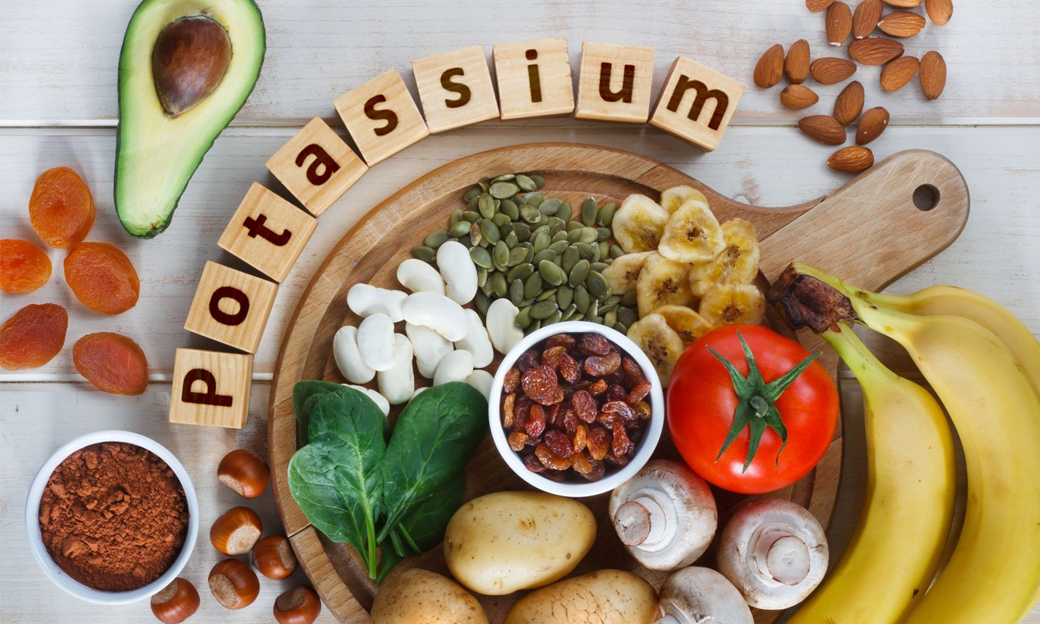
High blood pressure, also known as hypertension, is a widespread health issue affecting millions of people worldwide. It is often called the “silent killer” because it usually has no obvious symptoms but significantly increases the risk of heart disease, stroke, kidney problems, and other serious health conditions. One of the most effective and natural ways to manage and prevent high blood pressure is through diet — particularly by increasing the intake of potassium-rich foods.
The Role of Potassium in Blood Pressure Regulation
Potassium is a vital mineral and electrolyte that plays an essential role in maintaining the balance of fluids and electrolytes in the body. It works closely with sodium, another key electrolyte, to regulate blood pressure and support proper muscle and nerve function.
High sodium intake causes the body to retain water, which increases the volume of blood in the bloodstream and raises blood pressure. Potassium helps counteract this effect by promoting the excretion of sodium through urine, thus reducing blood volume and relieving pressure on blood vessels. Additionally, potassium helps relax the walls of blood vessels, further lowering blood pressure and improving cardiovascular health.
Scientific Evidence Supporting Potassium Intake
Numerous clinical studies have demonstrated a clear link between higher potassium consumption and lower blood pressure levels. Health organizations such as the American Heart Association recommend increasing potassium intake as part of a comprehensive strategy to manage hypertension and support heart health.
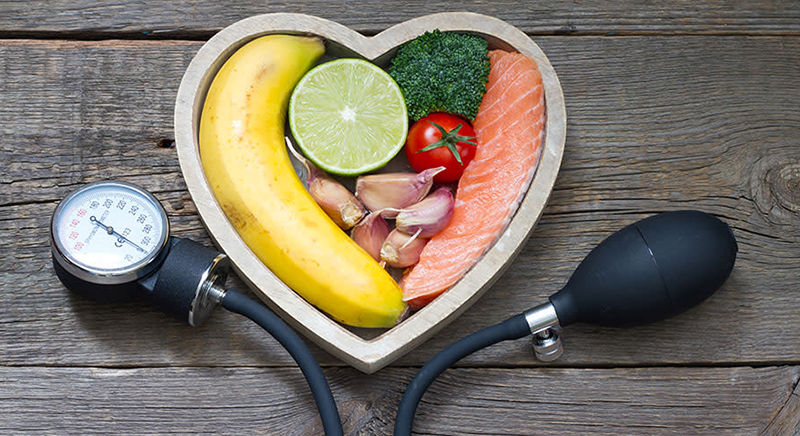
Foods High in Potassium
Incorporating potassium-rich foods into your diet can be simple and delicious. Some excellent sources include:
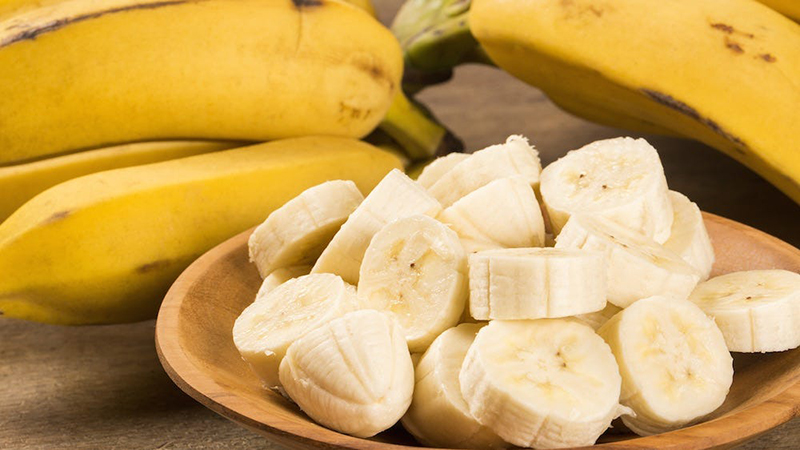
●Fruits: Bananas, oranges, cantaloupe, kiwifruit, grapefruit, apricots
●Vegetables: Spinach, sweet potatoes, tomatoes, beets, potatoes (especially with skin)
●Legumes and Nuts: Lentils, black beans, chickpeas, almonds
●Dairy: Low-fat milk and yogurt
●Others: Avocados, salmon, mushrooms
Tips for Increasing Potassium Intake
●Eat plenty of fresh fruits and vegetables daily: Aim for at least five servings per day.
●Limit processed and packaged foods: These often contain high sodium and low potassium.
●Choose cooking methods that preserve potassium: Steaming and roasting are better than boiling, which can cause potassium loss in cooking water.
●Incorporate legumes and nuts regularly: They are not only rich in potassium but also provide protein and fiber.
Important Considerations
While potassium is beneficial for most people, those with certain medical conditions, especially chronic kidney disease, should be cautious. Impaired kidney function can reduce the body’s ability to excrete potassium, leading to dangerously high potassium levels (hyperkalemia), which can cause irregular heart rhythms or other complications.
If you take medications like potassium-sparing diuretics, ACE inhibitors, or angiotensin receptor blockers, consult your healthcare provider before increasing potassium intake to avoid potential interactions or side effects.
Increasing potassium intake through diet is a natural, effective way to help lower blood pressure and reduce the risks associated with hypertension. By eating a balanced diet rich in fruits, vegetables, legumes, nuts, and low-fat dairy, you can improve your heart health and overall well-being.
If you have high blood pressure or want to prevent it, focusing on potassium-rich foods combined with other healthy lifestyle habits like regular exercise and stress management can make a significant difference.
Subscribe means that you have read and agree to the Privacy Policy.

Subscribe means that you have read and agree to the Privacy Policy.
Copyright © Shenzhen Pango Medical Electronics Co.,Ltd, Ltd. All Rights Reserved.
 FOCUS ON YOUR FAMILY HEALTH
Tel: +86-0755-33825988
Fax: +86-0755-33825989
Email: sales2@pan-go.com