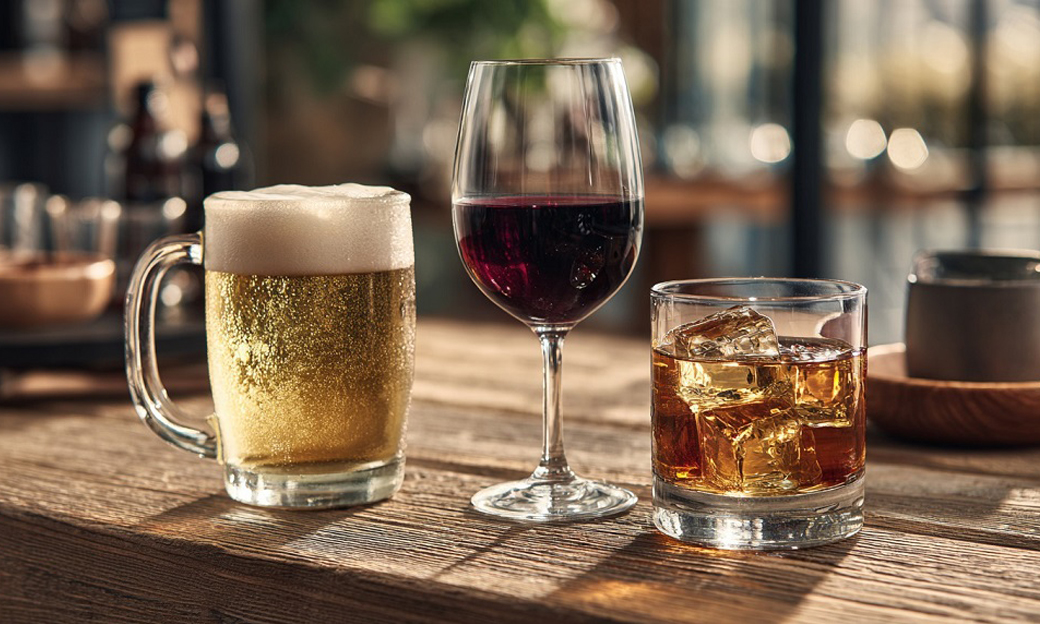
High blood pressure, or hypertension, is a major global health concern and a leading risk factor for heart disease, stroke, and kidney failure. Many lifestyle factors influence blood pressure, and alcohol consumption is one of the most significant. While alcohol is commonly consumed socially and even perceived by some as heart-healthy in small amounts, the truth is more complex. All types of alcohol—beer, wine, and spirits—can raise blood pressure, especially when consumed excessively or regularly over time.
How Alcohol Affects Blood Pressure
When you drink alcohol, it enters your bloodstream and affects multiple systems in your body, including those responsible for regulating blood pressure. Here's how alcohol influences blood pressure:
1.Increased Sympathetic Nervous System Activity
Alcohol stimulates the sympathetic nervous system, which controls your “fight or flight” response. This leads to faster heart rate, narrowed blood vessels, and elevated blood pressure.
2. Vasoconstriction
Alcohol can cause your blood vessels to constrict (tighten), increasing resistance in the arteries and thereby raising blood pressure.
3. Disruption of Baroreceptors
These are sensors in the body that help regulate blood pressure. Alcohol interferes with their function, making it harder for the body to maintain stable blood pressure levels.
4. Increased Cortisol and Stress Hormones
Drinking can increase the release of stress hormones, such as cortisol, which are known to raise blood pressure.
5. Fluid and Electrolyte Imbalance
Alcohol is a diuretic, meaning it increases urine production. This can lead to dehydration and imbalances in sodium and potassium, both of which are crucial for maintaining healthy blood pressure.
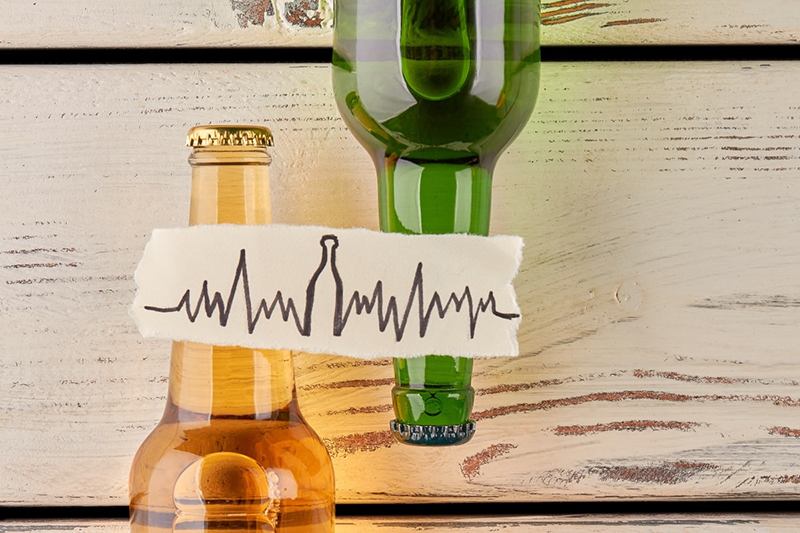
Does the Type of Alcohol Matter?
Many people believe that certain types of alcohol—such as red wine—are healthier or less harmful than others. While red wine does contain antioxidants like resveratrol, the active component in all alcoholic beverages is ethanol, and it is ethanol that raises blood pressure.
●Beer: Often consumed in large quantities due to its lower alcohol content per volume, beer can still contribute to high blood pressure.
●Wine: Despite the potential heart-healthy compounds in red wine, ethanol’s effects on blood pressure negate any possible benefits when consumed excessively.
●Spirits (vodka, whiskey, rum, etc.): These are more concentrated sources of ethanol and can raise blood pressure even with smaller volumes.
Bottom line: The type of alcohol doesn’t matter as much as the amount and frequency of consumption.
Short-Term vs. Long-Term Effects
●Short-Term Consumption
Drinking alcohol can cause a temporary spike in blood pressure for a few hours after consumption. This is especially noticeable in individuals who drink large amounts in one sitting (binge drinking).
●Long-Term Consumption
Chronic alcohol use can lead to sustained high blood pressure, even during periods of abstinence. Studies show that people who consume more than two drinks per day on average are significantly more likely to develop hypertension.
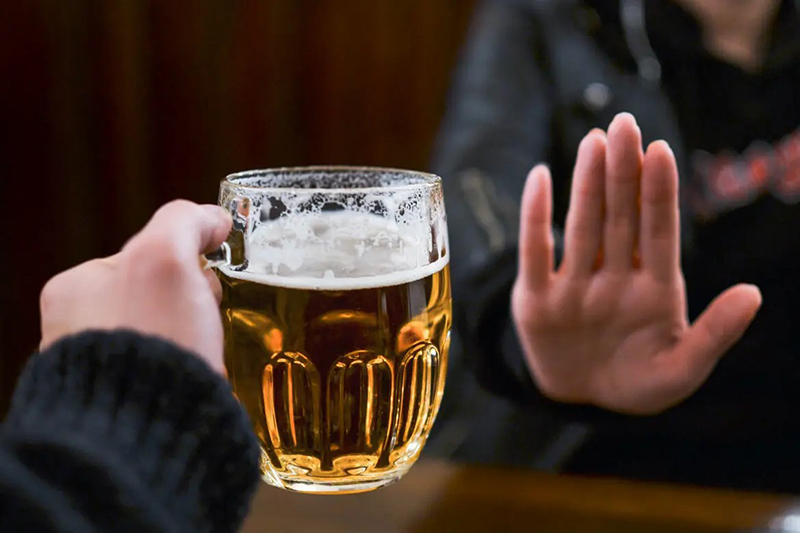
How Much Alcohol Is Too Much?
Health authorities provide guidelines to reduce the risk of alcohol-related hypertension:
●American Heart Association:
●Men: No more than 2 standard drinks per day.
●Women: No more than 1 standard drink per day.
A standard drink typically contains:
●14 grams of pure alcohol
●12 oz (355 ml) of beer
●5 oz (148 ml) of wine
●1.5 oz (44 ml) of spirits
However, even moderate drinking can raise blood pressure in some individuals—particularly those with existing hypertension or a family history of the condition.
Does Light Drinking Offer Any Benefits?
Some studies have suggested that very light alcohol consumption (about one drink every few days) might have a slightly protective cardiovascular effect. However:
●The benefit appears minimal and inconsistent.
●It does not outweigh the risks, especially for those prone to high blood pressure.
●No medical organization recommends starting to drink alcohol to lower blood pressure or improve heart health.
Alcohol and Blood Pressure Medications
If you are taking medication for high blood pressure, alcohol can:
●Reduce the effectiveness of certain medications.
●Cause dangerous interactions, especially with beta blockers or central alpha agonists.
●Increase the risk of side effects, such as dizziness, fainting, or irregular heartbeat.
Always consult your healthcare provider about alcohol use if you are on blood pressure medications.
Who Is Most at Risk?
Certain people are more sensitive to the blood pressure-raising effects of alcohol:
●People over age 40
●Those with a family history of hypertension
●Overweight or obese individuals
●Sedentary individuals
●People with high sodium intake or poor diets
For these groups, even moderate alcohol consumption may lead to hypertension.

Tips for Reducing Alcohol to Lower Blood Pressure
●Set a weekly drink limit and track your intake.
●Choose alcohol-free alternatives (sparkling water, non-alcoholic beer or wine).
●Designate alcohol-free days during the week.
●Avoid binge drinking at parties or social events.
●Seek support from friends, family, or a healthcare provider if needed.
All forms of alcohol—whether it's beer, wine, or spirits—contain ethanol, which can raise your blood pressure. While occasional light drinking may not significantly harm most people, frequent or excessive alcohol use is a well-established risk factor for hypertension. If you have high blood pressure, reducing or eliminating alcohol can be one of the most effective steps you can take to improve your health.
Subscribe means that you have read and agree to the Privacy Policy.

Subscribe means that you have read and agree to the Privacy Policy.
Copyright © Shenzhen Pango Medical Electronics Co.,Ltd, Ltd. All Rights Reserved.
 FOCUS ON YOUR FAMILY HEALTH
Tel: +86-0755-33825988
Fax: +86-0755-33825989
Email: sales2@pan-go.com