In today’s fast-paced world, many people turn to daytime naps to boost energy and improve focus. While short naps can offer mental and physical benefits, recent studies suggest that frequent or prolonged naps may be associated with an increased risk of high blood pressure (hypertension) and other cardiovascular concerns. This article explores the current research, potential explanations, and practical advice regarding napping habits and heart health.
The Research Behind the Link
A major 2022 study published in Hypertension, a journal of the American Heart Association, analyzed data from over 350,000 individuals in the UK Biobank database. Researchers found that participants who reported frequent daytime napping were significantly more likely to develop high blood pressure and even experience strokes compared to those who rarely or never napped.
Key Findings:
●Individuals who nap frequently were 12% more likely to develop high blood pressure.
●Among participants under 60 years old, frequent nappers had a 20% increased risk of hypertension.
●Frequent napping was also associated with a 24% higher risk of stroke.
These findings remained significant even after adjusting for known risk factors such as age, lifestyle, and pre-existing health conditions.
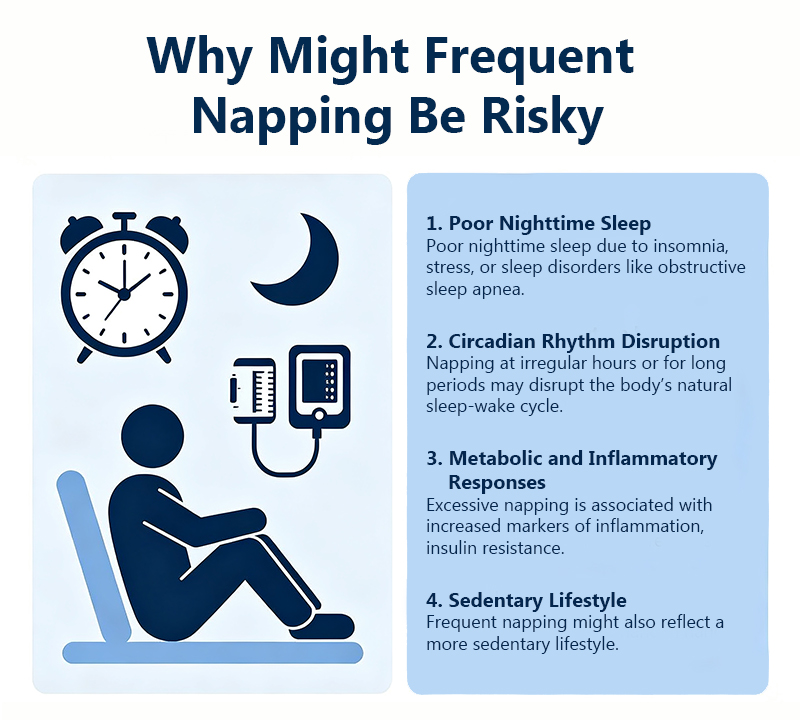
Why Might Frequent Napping Be Risky?
Although naps themselves are not inherently dangerous, frequent and prolonged naps may signal deeper issues related to sleep and cardiovascular health.
1. Poor Nighttime Sleep
Many frequent nappers may be compensating for poor nighttime sleep due to insomnia, stress, or sleep disorders like obstructive sleep apnea. These issues can elevate blood pressure and contribute to poor cardiovascular outcomes.
2. Circadian Rhythm Disruption
Napping at irregular hours or for long periods may disrupt the body’s natural sleep-wake cycle, also known as the circadian rhythm. This disruption can affect hormone regulation and blood pressure control.
3. Metabolic and Inflammatory Responses
Some studies suggest that excessive napping is associated with increased markers of inflammation, insulin resistance, and metabolic syndrome—all of which are linked to cardiovascular disease.
4. Sedentary Lifestyle
Frequent napping might also reflect a more sedentary lifestyle, which independently increases the risk of hypertension and related conditions.
When Napping May Still Be Beneficial
It's important to note that not all naps are harmful. In fact, short and infrequent naps may offer several benefits:
●Improved alertness and concentration
●Reduced fatigue
●Better mood and memory
Guidelines for Healthy Napping:
●Keep it short: Limit naps to 20–30 minutes to avoid sleep inertia and disruptions to nighttime sleep.
●Nap earlier in the day: Napping in the late afternoon or evening can interfere with your ability to fall asleep at night.
●Use naps as a supplement, not a replacement: Ensure you’re getting at least 7–9 hours of quality sleep at night.
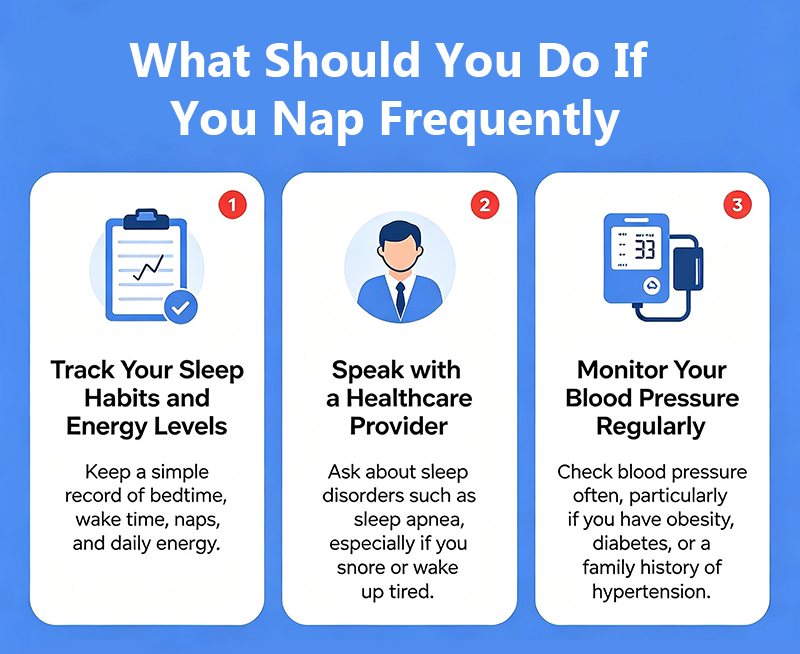
What Should You Do If You Nap Frequently?
Frequent daytime sleepiness and the need to nap often may be a warning sign of poor sleep quality or an underlying health condition. If you find yourself needing daily naps or sleeping excessively during the day, consider the following:
●Track your sleep habits and energy levels.
●Speak with a healthcare provider about potential sleep disorders, such as sleep apnea.
●Monitor your blood pressure regularly, especially if you have other risk factors like obesity, diabetes, or a family history of hypertension.
While occasional, short naps can be a healthy way to recharge, frequent or prolonged naps might be linked to elevated risks of high blood pressure and stroke, particularly among younger adults. Understanding your sleep patterns and ensuring proper nighttime rest are key to maintaining both mental alertness and cardiovascular health. As with most aspects of wellness, balance and consistency are crucial.
If you're relying on naps to get through the day, it might be time to examine the quality of your nighttime sleep and overall health—your heart may depend on it.
Subscribe means that you have read and agree to the Privacy Policy.

Subscribe means that you have read and agree to the Privacy Policy.
Copyright © Shenzhen Pango Medical Electronics Co.,Ltd, Ltd. All Rights Reserved.
 FOCUS ON YOUR FAMILY HEALTH
Tel: +86-0755-33825988
Fax: +86-0755-33825989
Email: sales2@pan-go.com