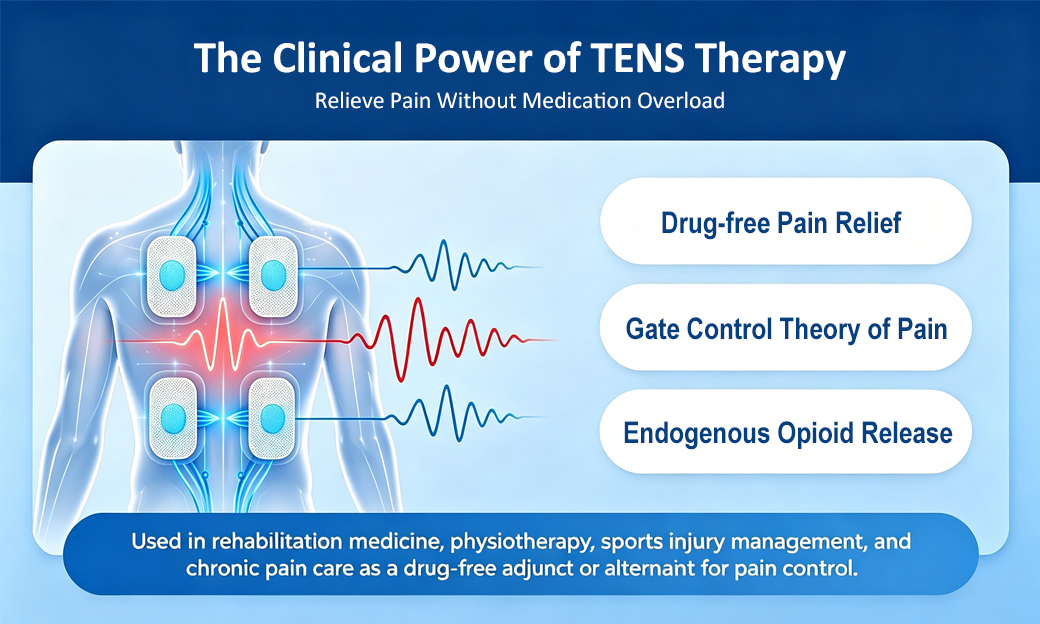
Transcutaneous Electrical Nerve Stimulation (TENS) is a widely used, non-invasive electrotherapy technique designed to relieve pain by delivering low-voltage electrical currents through the skin. It is commonly used in rehabilitation medicine, physiotherapy, sports injury management, and chronic pain care as a drug-free adjunct or alternative for pain control.
TENS works by placing electrodes on the skin over or near painful areas. These electrodes deliver mild electrical impulses that stimulate sensory nerves. The pain-relieving effects are mainly explained by two mechanisms:
· Gate Control Theory of Pain: Electrical stimulation activates large-diameter nerve fibers, which “close the gate” to pain signals traveling to the brain through smaller pain fibers.
· Endogenous Opioid Release: TENS may stimulate the release of endorphins and enkephalins, which are natural pain-relieving chemicals in the body.
Through these mechanisms, TENS reduces the perception of pain without medication and with minimal side effects.
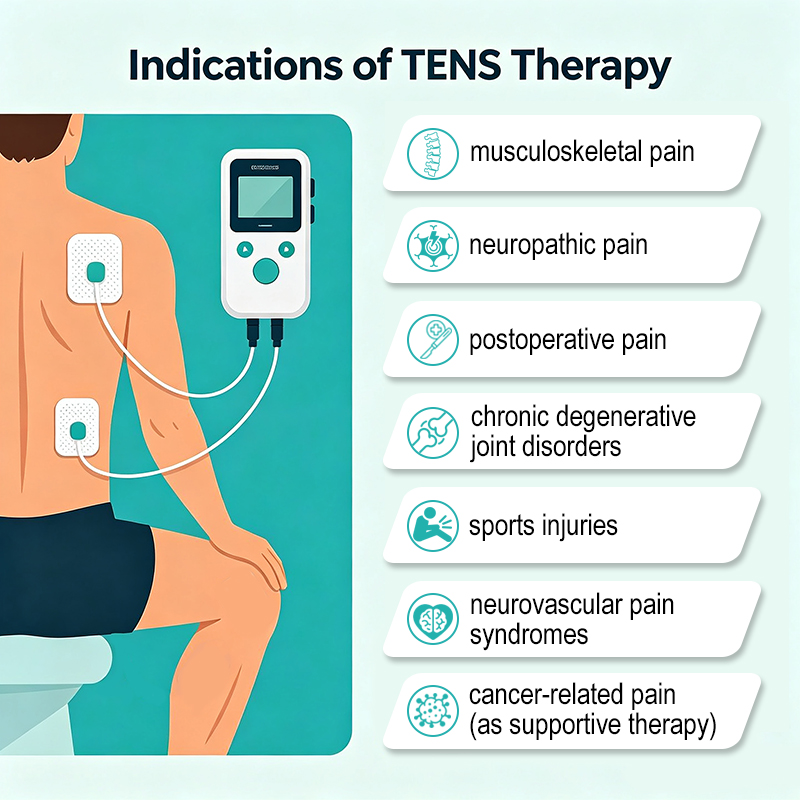
TENS is indicated for a broad range of acute and chronic pain conditions, especially when pharmacological treatment is insufficient, contraindicated, or causes side effects.
Common indications include:
· Musculoskeletal pain
· Neuropathic pain
· Postoperative pain
· Chronic degenerative joint disorders
· Sports injuries
· Neurovascular pain syndromes
· Cancer-related pain (as supportive therapy)
TENS is frequently used after surgery to reduce the need for opioid analgesics, improve mobility, and enhance recovery speed.
It is effective in treating cervical spondylosis, myofascial pain syndrome, rotator cuff injuries, and repetitive strain injuries of the upper extremities.
TENS is widely applied in lumbar disc disease, sciatica, knee osteoarthritis, hip pain, and peripheral neuropathy-related discomfort.
Patients with rheumatoid arthritis, osteoarthritis, and sports-related joint injuries often benefit from reduced stiffness and pain relief.
TENS may be used for musculoskeletal chest pain, rib injuries, or post-thoracotomy pain under medical supervision.
It helps reduce discomfort during fracture healing and improves patient tolerance to immobilization devices such as casts or braces.
TENS can reduce residual limb pain and improve comfort in amputees by modulating nerve signaling in the affected area.
In selected cases, TENS may help reduce facial nerve pain intensity and frequency.
For central post-stroke pain or spinal cord injury-related pain, TENS may provide partial symptom relief as part of a multidisciplinary approach.
TENS is often used as a non-invasive adjunct therapy to reduce phantom sensations and pain following limb amputation.
It may improve symptoms related to peripheral vascular disease by enhancing local circulation and reducing ischemic discomfort.
TENS is sometimes used as a complementary method to reduce mild to moderate cancer-related pain alongside medical treatments.
TENS is used for labor pain relief, dysmenorrhea, and postoperative gynecological pain management.
It can help manage interstitial cystitis and other chronic bladder pain conditions.
In chronic pancreatitis, TENS may provide adjunctive analgesic support.
TENS is used for tension-type headaches and some cases of migraine-related neck pain.
It may help reduce postoperative dental pain or temporomandibular joint discomfort.
In sports rehabilitation, TENS is widely used to manage acute injuries, muscle soreness, and overuse syndromes.
Although primarily analgesic, TENS may indirectly improve muscle function by reducing pain inhibition and allowing earlier mobilization.
In elderly patients, especially those with atherosclerosis, diabetes-related peripheral neuropathy, poor circulation, and lower limb ulcers, TENS may help improve comfort and support circulation.
By stimulating muscle activity and improving local blood flow, TENS may help reduce venous stasis in immobilized patients.

Although generally safe, TENS should be avoided or used cautiously in the following situations:
· Pacemaker or implanted electrical devices (risk of interference)
· Pregnancy (avoid abdominal or pelvic areas unless medically supervised)
· Epilepsy (avoid stimulation near head or neck regions)
· Malignant tumors (avoid application over tumor sites unless directed by a physician)
· Broken or infected skin at electrode sites
· Severe cardiac conditions (especially if electrodes are placed near the chest)
· Loss of sensation or impaired skin sensitivity
· Thrombosis or active deep vein thrombosis (avoid affected limb areas)
For home-based pain management, modern multi-function electrotherapy devices offer convenient and effective solutions.
The Pangao low-frequency physiotherapy device KTR-2230 is a portable handheld unit designed for daily use. It combines multiple therapeutic modes including:
· TENS (pain relief)
· EMS (muscle stimulation)
· FIT/fitness stimulation modes
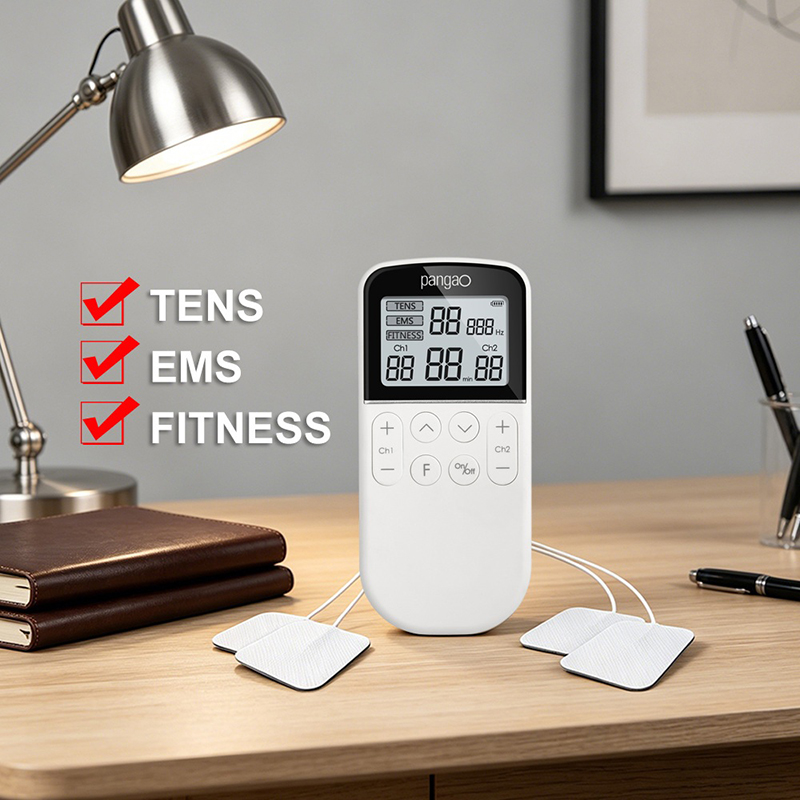
Key features include:
· Dual-channel output for treating multiple areas simultaneously
· 50 preset massage modes
· 16 adjustable intensity levels
· Compact, portable handheld design for home or travel use
This type of multi-functional device is particularly suitable for individuals managing chronic pain, muscle stiffness, or rehabilitation at home under professional guidance.
TENS therapy is a versatile and non-invasive modality for managing a wide range of acute and chronic pain conditions. From postoperative recovery to chronic musculoskeletal and neuropathic pain, its clinical applications are extensive. When used appropriately and with correct electrode placement, TENS offers a safe, drug-free option for pain relief and functional improvement, both in clinical settings and at home.
Subscribe means that you have read and agree to the Privacy Policy.

Subscribe means that you have read and agree to the Privacy Policy.
Copyright © Shenzhen Pango Medical Electronics Co.,Ltd, Ltd. All Rights Reserved.
 FOCUS ON YOUR FAMILY HEALTH
Tel: +86-0755-33825988
Fax: +86-0755-33825989
Email: sales2@pan-go.com