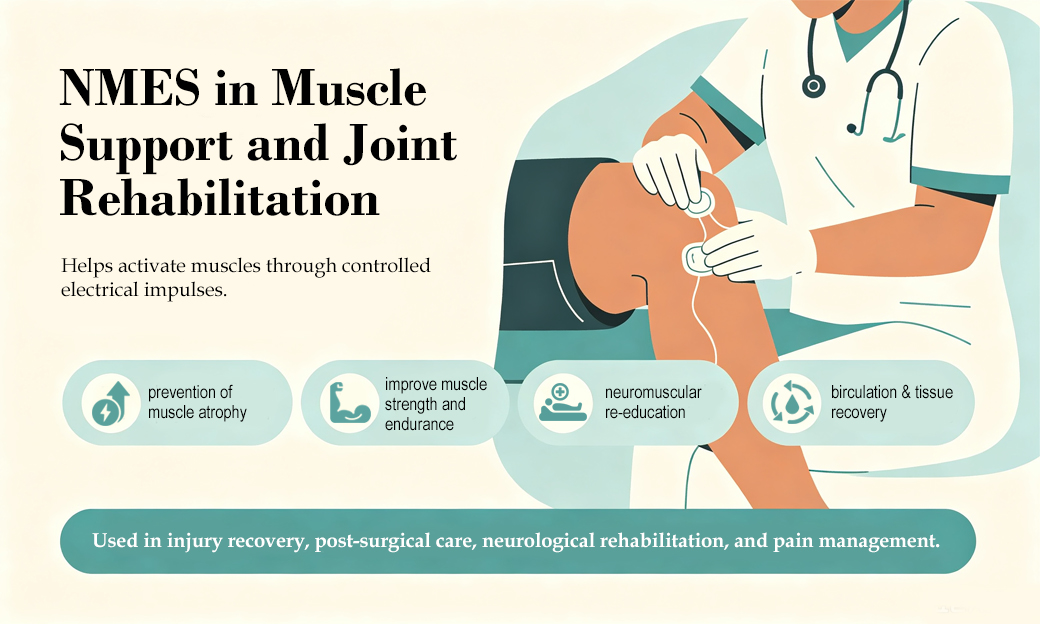
Neuromuscular Electrical Stimulation (NMES) is a widely used therapeutic technique in physical rehabilitation that helps activate muscles through controlled electrical impulses. It is commonly applied in musculoskeletal recovery, post-surgical rehabilitation, neurological conditions, and chronic pain management.
What Is a Neuromuscular Electrical Stimulation (NMES) Device?
A Neuromuscular Electrical Stimulation (NMES) device is a medical or therapeutic electrical stimulation unit designed to stimulate motor nerves using electrical pulses delivered through skin electrodes. These pulses cause involuntary muscle contractions, mimicking the signals normally sent by the central nervous system.
Unlike passive therapies, NMES actively engages muscle fibers, helping to:
Prevent muscle atrophy during immobilization
Improve muscle strength and endurance
Enhance neuromuscular re-education after injury or surgery
Support circulation and tissue recovery
NMES devices are commonly used in rehabilitation clinics, sports medicine, and increasingly in home-based care systems.
Electrical Muscle Stimulator Parameters
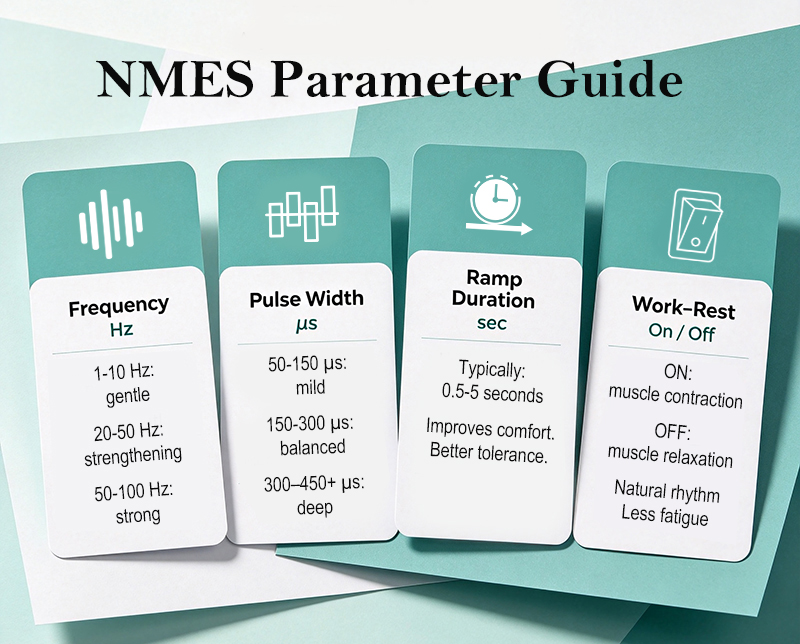
The effectiveness and comfort of NMES therapy depe nd heavily on key adjustable parameters. Understanding these settings is essential for safe and effective use.
1. Frequency (Hz)
Frequency refers to the number of electrical pulses delivered per second.
Low frequency (1–10 Hz): Gentle twitch-like contractions, often used for relaxation or circulation improvement
Medium frequency (20–50 Hz): Common in rehabilitation for muscle strengthening
High frequency (50–100 Hz): Produces stronger, sustained contractions but may cause more fatigue
2. Pulse Width (µs)
Pulse width is the duration of each electrical pulse.
Short pulse width (50–150 µs): Selective nerve stimulation, mild contraction
Medium pulse width (150–300 µs): Balanced muscle activation
Long pulse width (300–450+ µs): Stronger contractions, used for deeper muscle recruitment
A longer pulse width generally activates more motor units, resulting in stronger muscle contraction.
3. Ramp Duration (seconds)
Ramp time controls how gradually the electrical current increases or decreases at the beginning and end of each stimulation cycle.
Prevents sudden, uncomfortable muscle contractions
Improves patient comfort and tolerance
Typically ranges from 0.5 to 5 seconds
A smooth ramp-up is especially important for elderly users or sensitive areas like the foot and knee.
4. On/Off Time (Work–Rest Cycle)
This parameter defines how long the stimulation stays ON (muscle contraction) and OFF (muscle relaxation).
Example: 10 seconds ON / 20 seconds OFF
Prevents muscle fatigue
Mimics natural muscle activity patterns
Essential for strengthening protocols
Proper work–rest balance ensures effective training without overloading the muscle.
What Is NMES Therapy?
NMES therapy is the clinical or home-based application of electrical stimulation to improve muscle function and support rehabilitation outcomes.
It is commonly used for:
Post-operative recovery (e.g., knee replacement rehabilitation)
Stroke rehabilitation (retraining motor control)
Chronic joint pain management (knee, ankle, foot pain)
Diabetic foot care support (improving local circulation and nerve stimulation)
Sports injury recovery
How NMES Works
NMES sends controlled electrical impulses through surface electrodes, activating motor neurons. This leads to:
Muscle fiber contraction
Increased local blood circulation
Improved neuromuscular coordination
Reduced muscle stiffness and pain perception
Over time, repeated stimulation may help improve functional movement and reduce discomfort in affected joints.
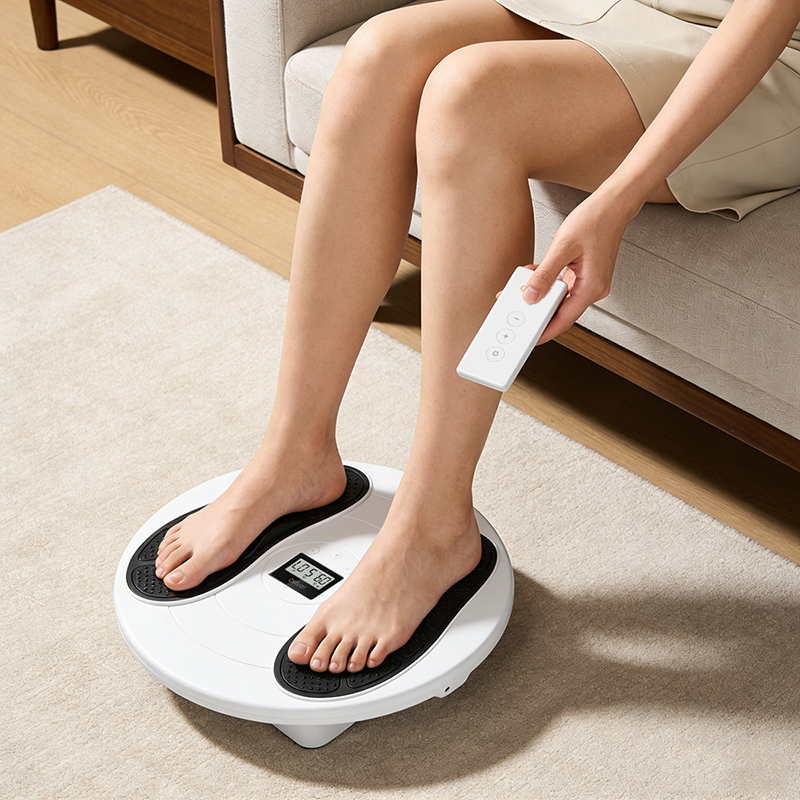
Example of Home Use Device: Pangao NMES Foot Therapy Device KTR-4015
A practical example of NMES technology in daily rehabilitation and wellness care is the Pangao NMES Foot Therapy Massage Device KTR-4015 . This device is designed for convenient home use and integrates both NMES and TENS technologies.
Key Features
NMES pulse stimulation function for foot muscle activation
9 massage modes for different therapeutic needs
20 adjustable intensity levels for personalized comfort and effectiveness
TENS electrode pads included, allowing application to other body areas
Applications in Daily Care
1. The KTR-4015 is designed not only for relaxation but also for supportive rehabilitation purposes:
2. Elderly knee discomfort: NMES stimulation helps activate lower limb muscles, supporting joint stability and mobility
3. Diabetic foot care support: Gentle electrical stimulation may help improve local circulation and nerve responsiveness in the feet
4. General muscle fatigue relief: Helps reduce stiffness after long periods of standing or walking
5. Multi-area pain relief: With TENS pads, it can be used on the back, shoulders, legs, and other pain-prone areas
NMES technology plays an important role in modern rehabilitation by directly stimulating muscles and nerves to support recovery and functional improvement. Devices like the Pangao KTR-4015 NMES Foot Therapy System demonstrate how NMES and TENS technologies can be integrated into home care, offering convenient daily support for foot health, joint comfort, and general pain relief—especially beneficial for elderly users and individuals managing chronic conditions.
Subscribe means that you have read and agree to the Privacy Policy.

Subscribe means that you have read and agree to the Privacy Policy.
Copyright © Shenzhen Pango Medical Electronics Co.,Ltd, Ltd. All Rights Reserved.
 FOCUS ON YOUR FAMILY HEALTH
Tel: +86-0755-33825988
Fax: +86-0755-33825989
Email: sales2@pan-go.com