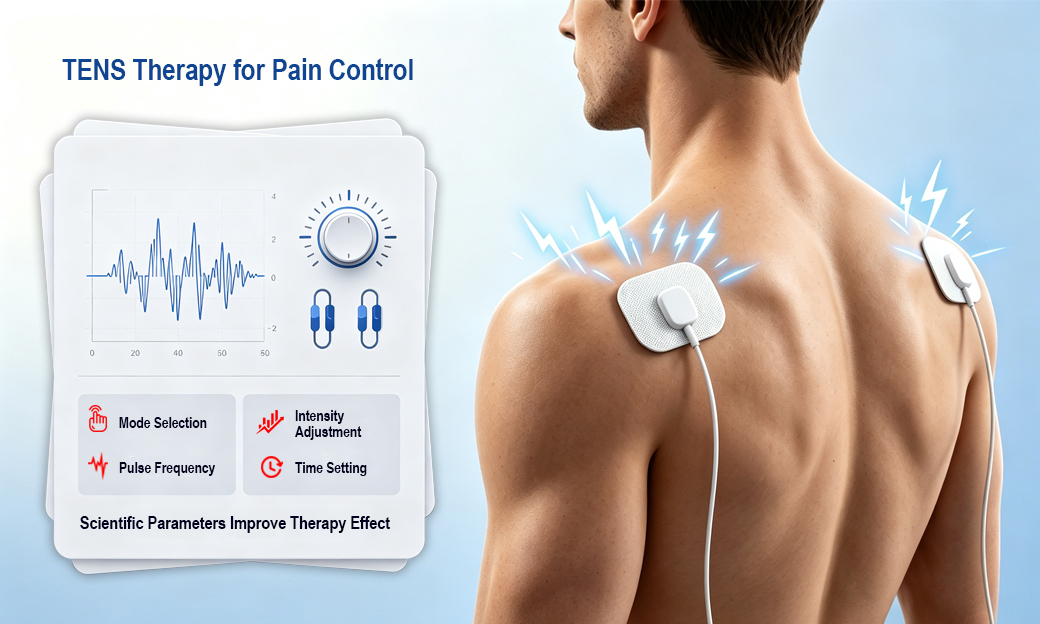
Transcutaneous Electrical Nerve Stimulation (TENS) is a widely used non-invasive electrotherapy technique for pain management and rehabilitation. Its effectiveness largely depends on correct parameter selection, stimulation modes, and electrode placement strategies. Understanding these elements is essential for achieving optimal therapeutic outcomes.
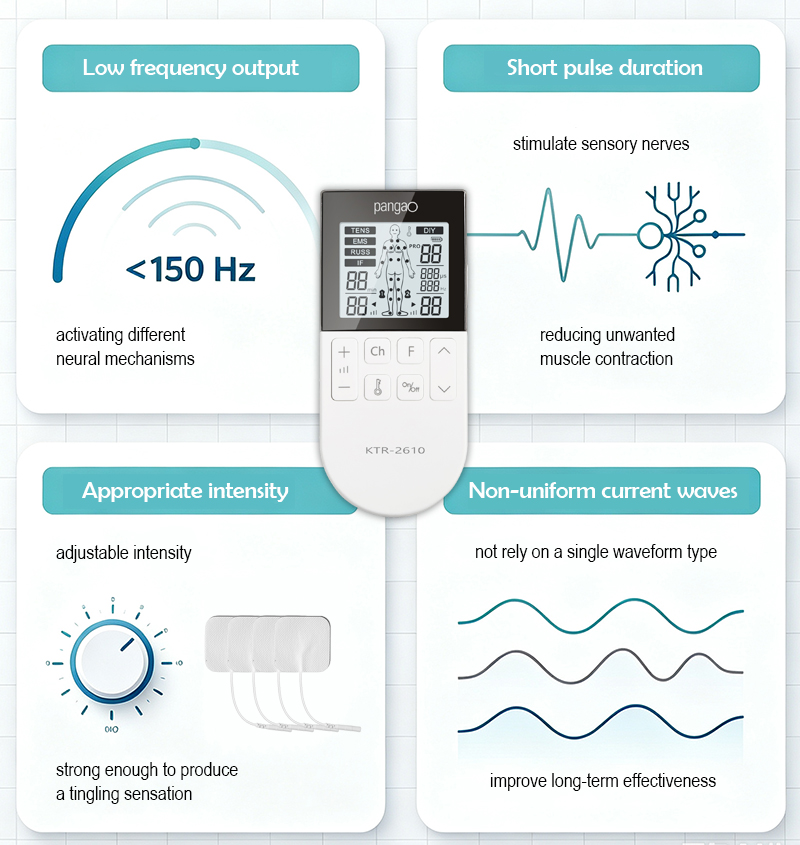
A clinically effective TENS device is expected to meet several key electrical characteristics:
1. Low frequency output
TENS systems typically operate in low-frequency ranges (commonly below 150 Hz depending on the mode). Low frequencies are important for activating different neural mechanisms related to pain modulation.
2. Short pulse duration
Short pulse widths help selectively stimulate sensory nerves while minimizing discomfort and reducing unwanted muscle contraction in certain modes.
3. Appropriate intensity (amplitude control)
The intensity must be adjustable and patient-specific. It should be strong enough to produce a tingling sensation or mild muscle activation (depending on the protocol), but never painful.
4. Non-uniform current waveforms
TENS does not rely on a single waveform type. Instead, it may use biphasic, asymmetric, or modulated waveforms to reduce nerve accommodation and improve long-term effectiveness.
Modern TENS devices typically offer multiple stimulation modes designed for different clinical goals:
1. High-frequency mode (Conventional TENS)
Uses relatively high frequency and low intensity to activate sensory nerves and provide rapid pain relief.
2. Acupuncture-like mode
Uses lower frequency with stronger intensity, often producing rhythmic muscle twitching similar to manual acupuncture effects.
3. Burst mode
Delivers groups of pulses in bursts, combining both high and low frequency benefits for deeper analgesic effects.
4. Brief intense mode
A strong, short-duration stimulation used for quick pain interruption, often tolerated only for short sessions.
5. Modulation mode
Automatically varies frequency, pulse width, or intensity to prevent nerve adaptation and maintain therapeutic effectiveness over time.
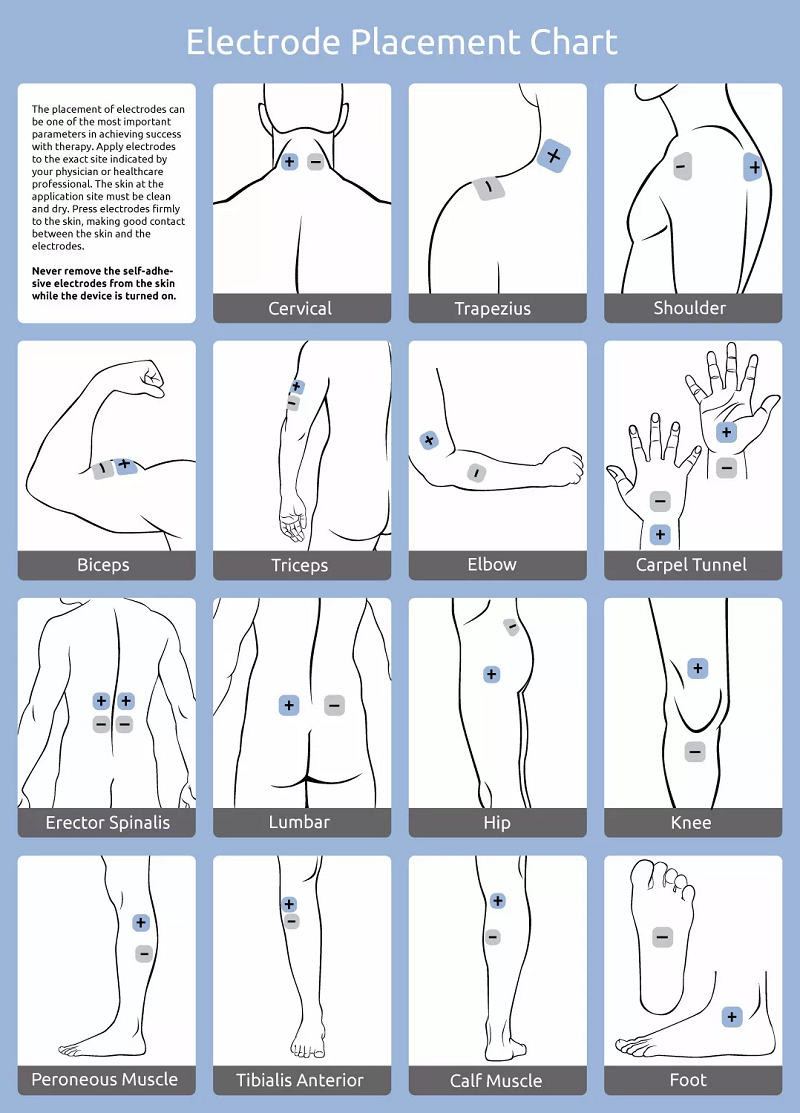
Proper electrode placement is crucial for targeting pain pathways effectively.
Electrodes can be placed in several clinically relevant areas:
· Directly over the painful region
· Adjacent to the injury site
· Along the dermatome of the affected nerve root
· Peripheral nerve distribution zones
· Referred pain areas
· Motor points and trigger points
· Sensitive or reactive tissue zones
· Myotomes, joint-related regions, or bony landmarks
With one channel:
· One electrode is typically placed at or near the local painful site
· The second electrode may be placed at a referred pain zone or along a distal nerve pathway
This setup helps guide current flow through or around the pain pathway.
With two channels:
· Four electrodes are used in a larger spatial configuration
· This allows broader coverage of the affected region
· It is commonly used for diffuse or multi-site pain conditions
The goal is to create an overlapping electrical field that covers the entire painful area more uniformly.
For home-based therapy, multi-function electrotherapy devices are often preferred due to convenience and versatility.
A commonly used option is the
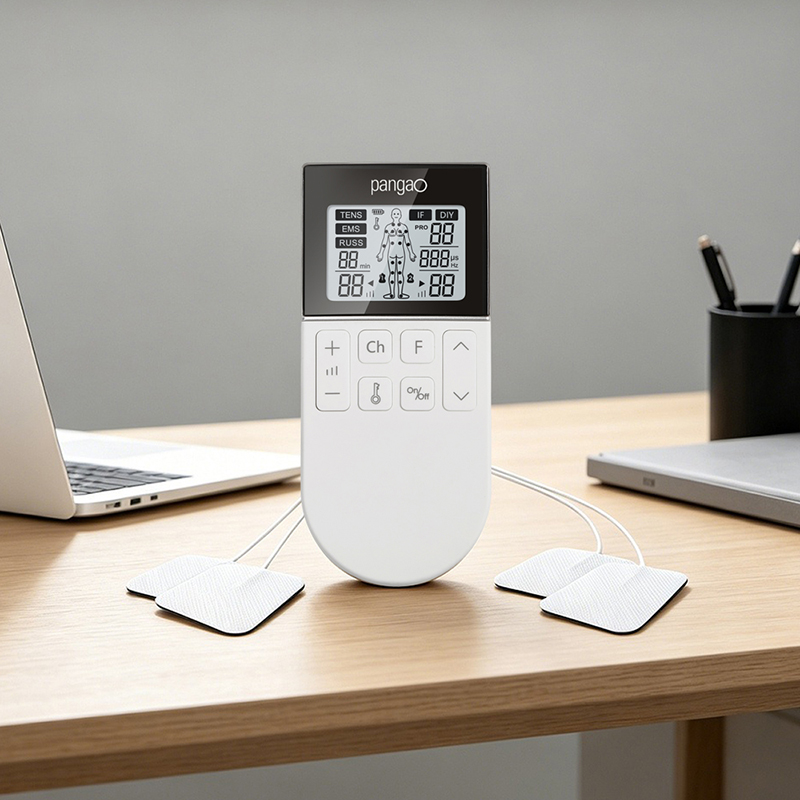
Pangao KTR-2610 Low Frequency Therapy Device
This device integrates multiple electrotherapy modalities, including TENS, EMS, RUSS, IF, and DIY modes. It is designed for portable home use and includes:
· Dual-channel output for flexible electrode placement
· Up to 80 preset therapy modes
· 16 adjustable intensity levels
· Handheld compact design for daily convenience
· Multi-therapy integration suitable for pain relief and muscle stimulation
Manufactured by Pangao, it is positioned as an all-in-one solution for users who require both rehabilitation and pain management functions in a single device.
TENS therapy effectiveness depends on three key factors: correct electrical parameters, appropriate stimulation mode selection, and strategic electrode placement. With properly configured settings, TENS can be a valuable tool for pain relief and rehabilitation in both clinical and home environments.
Subscribe means that you have read and agree to the Privacy Policy.

Subscribe means that you have read and agree to the Privacy Policy.
Copyright © Shenzhen Pango Medical Electronics Co.,Ltd, Ltd. All Rights Reserved.
 FOCUS ON YOUR FAMILY HEALTH
Tel: +86-0755-33825988
Fax: +86-0755-33825989
Email: sales2@pan-go.com