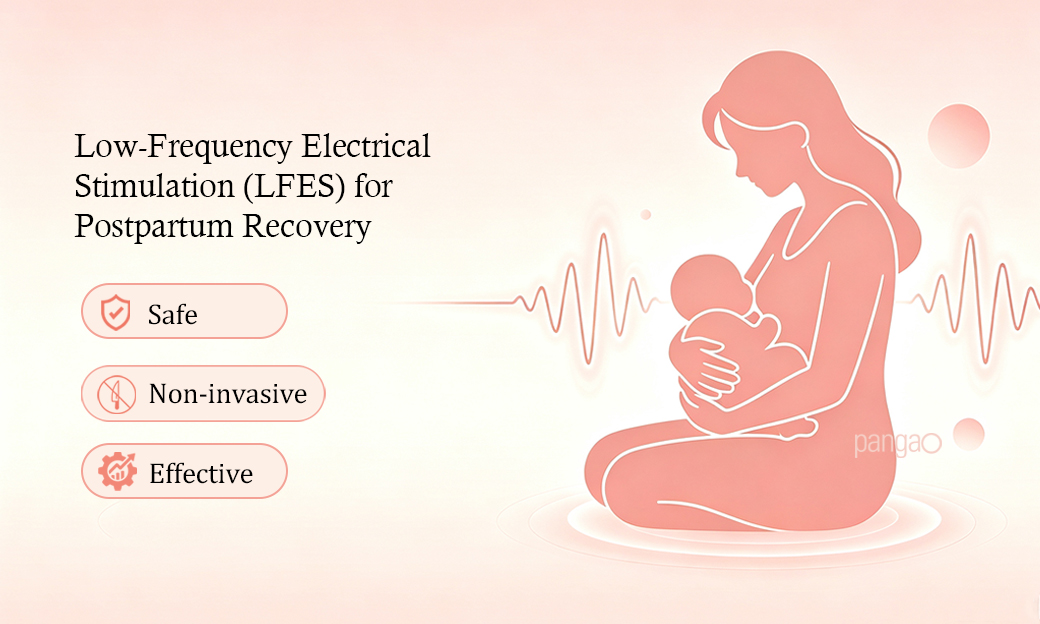
The postpartum period is one of the most physically demanding phases in a woman’s life. While the joy of a new baby is immense, the body faces a long list of challenges: weakened muscles, hormonal shifts, surgical wounds, and persistent pain. Among the various rehabilitation options available today, low-frequency electrical stimulation (LFES) has gained significant attention as a safe, non-invasive, and effective aid. But what exactly is this therapy, and why are more and more postpartum care programs incorporating it into their standard recovery protocols?
What Is Low-Frequency Electrical Stimulation?
Low-frequency electrical stimulation involves the application of pulsed electrical currents, usually below 1,000 Hz, through surface electrodes placed on specific areas of the body. These gentle currents penetrate the skin and underlying tissues to activate nerve endings and muscle fibres. The resulting contractions mimic the natural signals sent by the nervous system, encouraging muscles to contract and relax in a controlled manner.
This therapy is entirely non-invasive and drug-free. The intensity can be adjusted to each woman’s comfort level, making it suitable for a wide range of patients. Unlike medications that may have systemic side effects, LFES acts locally on the targeted muscles and nerves, offering a tailored approach to postpartum rehabilitation.
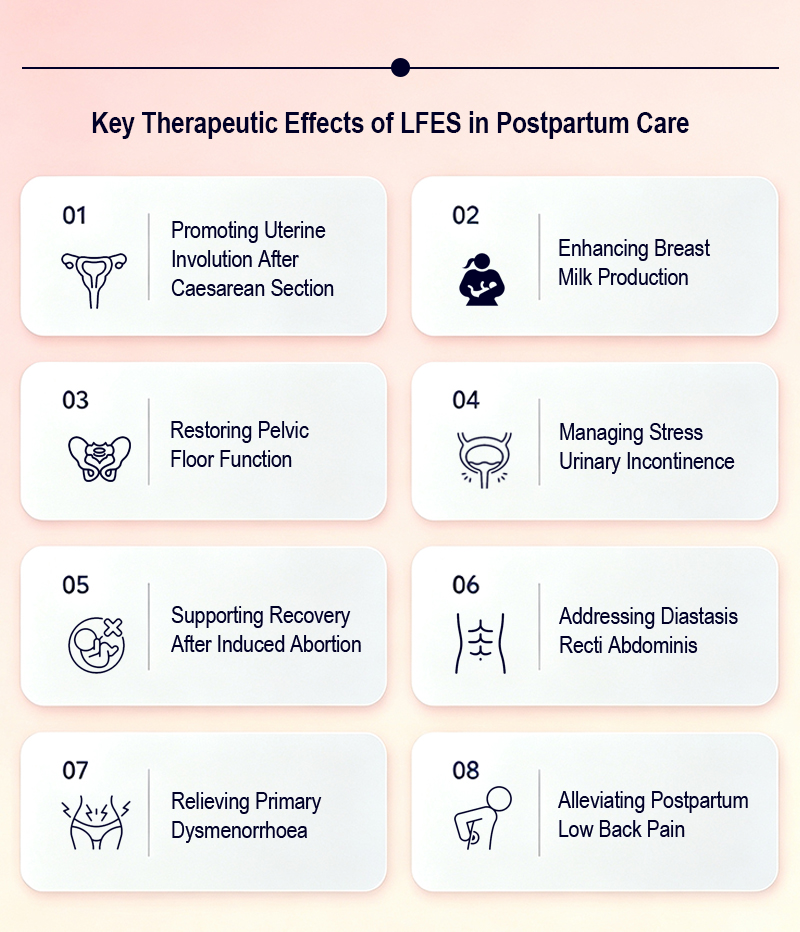
Key Therapeutic Effects of LFES in Postpartum Care
1. Promoting Uterine Involution After Caesarean Section
After a caesarean delivery, the uterus must shrink back to its pre-pregnancy size. This process, known as involution, is essential for reducing bleeding and preventing infection. LFES stimulates rhythmic uterine contractions, which help expel lochia more quickly and effectively. Many women who receive LFES after a C-section report shorter durations of postpartum discharge and a faster reduction in uterine size. This not only lowers the risk of complications but also allows new mothers to regain physical comfort sooner.
2. Enhancing Breast Milk Production
One of the most immediate concerns for breastfeeding mothers is whether they will produce enough milk. LFES applied to the chest area can activate the nerve pathways involved in prolactin secretion, the hormone responsible for milk synthesis. At the same time, the electrical pulses improve local blood circulation to the mammary glands. Clinical experience shows that many women experience earlier onset of lactation, greater milk volume, and less engorgement after a course of LFES. For mothers struggling with delayed or insufficient milk supply, this non-pharmacological option provides a gentle yet effective boost.
3. Restoring Pelvic Floor Function
Pregnancy and vaginal delivery place enormous strain on the pelvic floor muscles, which support the bladder, uterus, and bowel. Weakness in this area can lead to incontinence, prolapse, and reduced sexual satisfaction. LFES directly stimulates these muscles, helping them contract even when voluntary effort is difficult. When combined with pelvic floor exercises such as Kegels, electrical stimulation has been shown to significantly improve muscle tone, increase vaginal resting pressure, and enhance overall pelvic stability. This translates to better control and greater confidence in daily activities.
4. Managing Stress Urinary Incontinence
Stress urinary incontinence – the involuntary leakage of urine during coughing, sneezing, laughing, or exercise – is one of the most distressing postpartum complaints. LFES strengthens the muscles that support the urethra and improves the neuromuscular coordination of the pelvic floor. Many women notice fewer leakage episodes and improved bladder control after regular LFES sessions. Since this condition can severely affect quality of life and social participation, LFES offers a practical, conservative first-line treatment before more invasive options are considered.
5. Supporting Recovery After Induced Abortion
Women who have undergone induced abortion may also benefit from LFES. The procedure can leave the endometrium thinner and disrupt normal menstrual patterns, often resulting in reduced menstrual flow or even amenorrhoea. LFES promotes endometrial repair by enhancing local blood circulation and stimulating tissue regeneration. Patients receiving LFES after abortion often experience faster restoration of regular menstrual cycles and improved uterine recovery. This application demonstrates the broader utility of LFES beyond full-term pregnancy – it is a versatile tool for women’s reproductive health at various stages.
6. Addressing Diastasis Recti Abdominis
Diastasis recti, the separation of the abdominal muscles along the midline, is a common consequence of pregnancy that can leave a persistent bulge and contribute to lower back pain. LFES applied to the abdomen stimulates the transverse abdominis and other deep core muscles, helping to close the gap between the rectus abdominis muscles. When combined with proper breathing exercises and postural training, LFES significantly reduces the inter-rectus distance and improves core stability. This leads to a flatter abdomen, better posture, and a lower risk of hernias.
7. Relieving Primary Dysmenorrhoea
Although dysmenorrhoea (painful menstruation) is not exclusive to the postpartum period, many women experience worsened cramps after childbirth. LFES can alleviate this pain by modulating pain signal transmission and promoting the release of endogenous pain-relieving substances. The electrical stimulation relaxes overly contracted uterine smooth muscle, reducing the frequency and intensity of spasms. For breastfeeding mothers who prefer to avoid painkillers, LFES offers a welcome drug-free alternative.
8. Alleviating Postpartum Low Back Pain
Low back pain is one of the most frequently reported issues during and after pregnancy, driven by hormonal changes, weight gain, and altered posture. LFES applied to the lumbar region relieves muscle tension, improves local circulation, and reduces inflammation. The electrical impulses interrupt pain signals travelling to the brain while simultaneously relaxing tight paraspinal muscles. Many women find substantial relief from chronic or acute back pain after a few sessions, enabling them to care for their newborns with greater ease and comfort.
Important Precautions for Postpartum LFES
While LFES is generally safe and well tolerated, several precautions must be observed to ensure both effectiveness and safety.
Medical Clearance Is Mandatory. Not every woman is a suitable candidate. Contraindications include the presence of a cardiac pacemaker or other implanted electronic devices, severe heart disease, active bleeding disorders, malignant tumours in the treatment area, and acute infections of the reproductive or urinary systems. Women with epilepsy or a history of miscarriage should also proceed with caution. A thorough evaluation by a qualified healthcare provider is essential before starting any LFES programme.
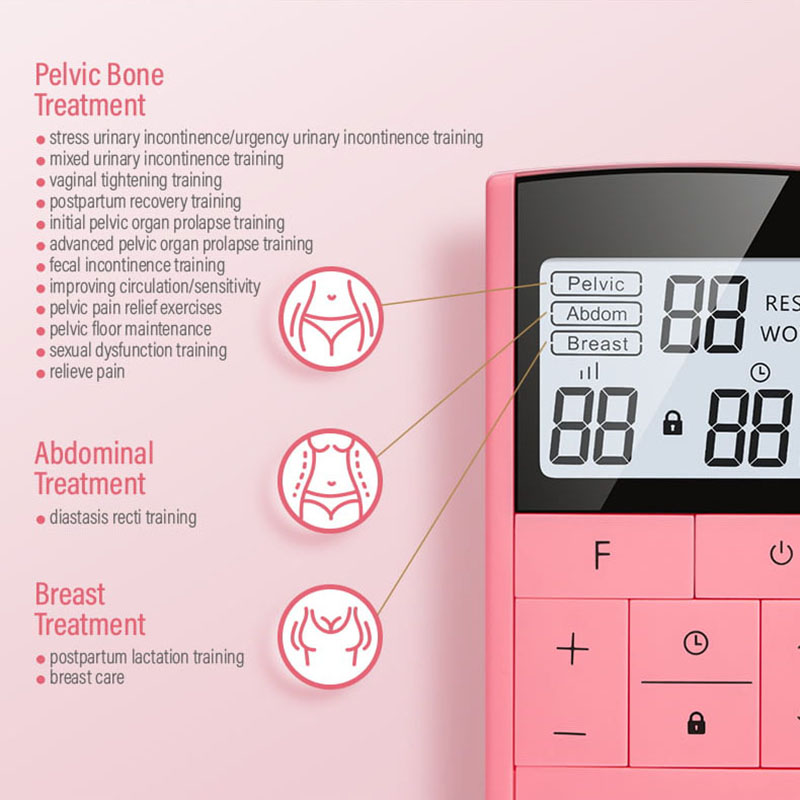
Professional Supervision Is Strongly Recommended. LFES should ideally be administered by trained therapists who can adjust the intensity, frequency, and duration according to individual tolerance and clinical goals. Home use devices carry the risk of incorrect electrode placement, excessive current, or insufficient treatment time – all of which can compromise results or cause discomfort.
Start with a Low Intensity and Increase Gradually. The current should be increased slowly to a level that produces a mild tingling or gentle muscle contraction without pain. Excessive intensity can lead to muscle fatigue, spasms, or even tissue injury. If burning, sharp pain, or worsening symptoms occur during or after a session, the treatment should be stopped immediately, and a healthcare professional should be consulted.
Proper Skin Preparation and Electrode Care. Electrodes must be placed on clean, dry skin without cuts, rashes, or irritation. Good adhesion ensures effective current delivery and minimises the risk of skin burns. Electrodes should be replaced according to the manufacturer’s recommendations to maintain hygiene and treatment efficacy.
Use LFES as a Complement, Not a Replacement. Electrical stimulation is most beneficial when integrated into a comprehensive rehabilitation plan that includes pelvic floor exercises, core strengthening, adequate nutrition, and sufficient rest. It is a powerful adjunctive therapy, not a standalone cure. Women should continue active recovery strategies alongside their electrical stimulation sessions.
For the millions of women navigating the beautiful yet demanding transition to motherhood, LFES offers a gentler path back to themselves – one that honours both their strength and their need for compassionate, effective care.
Subscribe means that you have read and agree to the Privacy Policy.

Subscribe means that you have read and agree to the Privacy Policy.
Copyright © Shenzhen Pango Medical Electronics Co.,Ltd, Ltd. All Rights Reserved.
 FOCUS ON YOUR FAMILY HEALTH
Tel: +86-0755-33825988
Fax: +86-0755-33825989
Email: sales2@pan-go.com